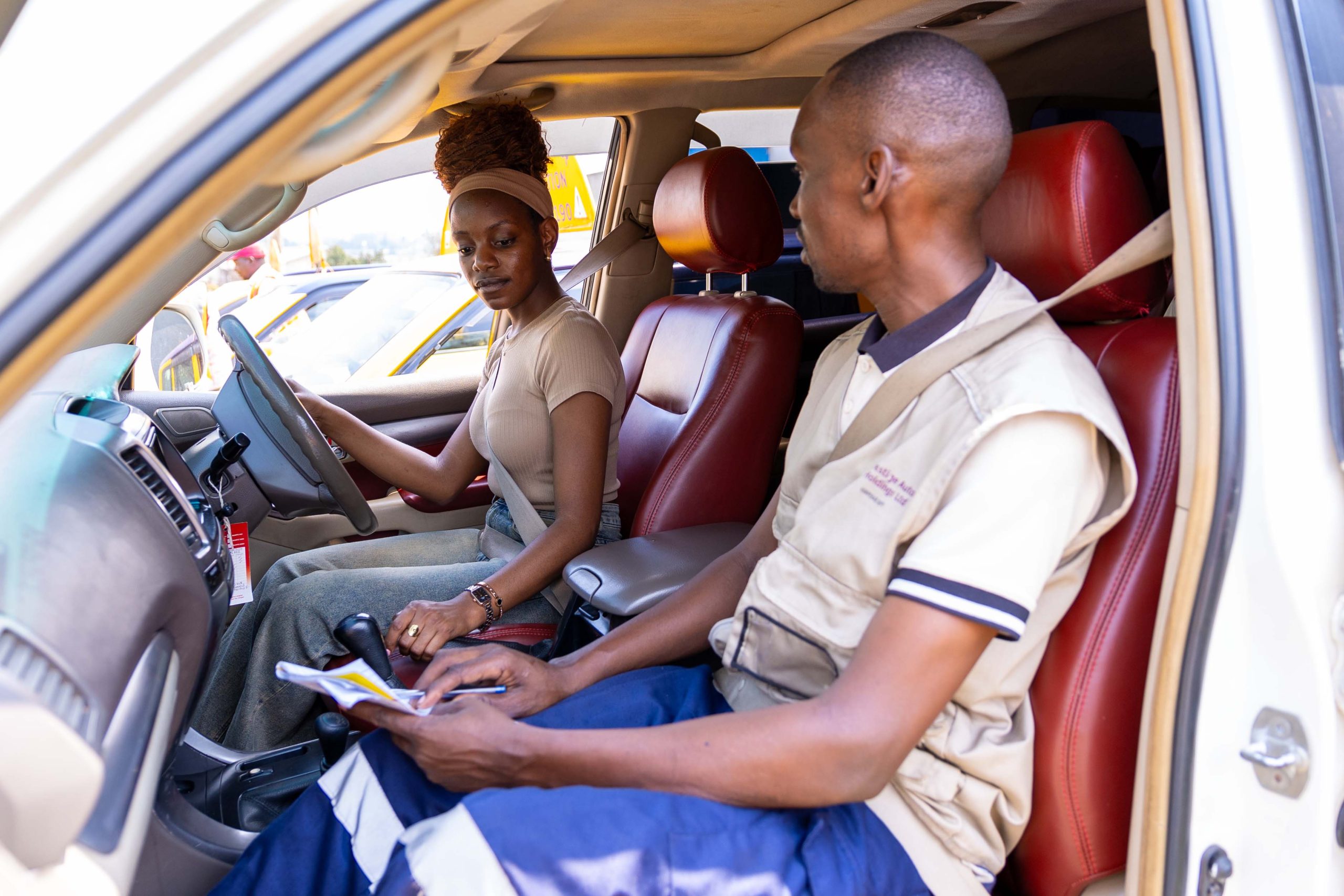
The day you get your official Ugandan Driving Permit (DL) is a milestone of independence. It signifies that you have demonstrated the basic competence required to operate a vehicle and possess a fundamental understanding of traffic law. Yet, on the dynamic, often chaotic, and uniquely challenging roads of Kampala and beyond, a permit alone is simply not enough.
To thrive and, more importantly, survive on Ugandan roads, every driver must go beyond the mechanics of driving and adopt a Defensive driving mindset. It is the essential, second layer of education that turns a certified operator into a truly safe and proactive motorist.
The Critical Difference: Permit vs. Proactivity
The standard driver’s education course focuses on how to control a vehicle and what the rules are. It teaches you to pass the test. Defensive driving, however, is an advanced discipline that teaches you to anticipate, avoid, and manage risk, irrespective of the actions of other drivers, the condition of the road, or the whims of the weather.
In a country where human error and non-compliance with traffic rules contribute to a high rate of road traffic injuries, relying solely on your permit is like bringing a spoon to a knife fight.
Navigating Uganda’s Unique Hazards
Uganda’s road environment presents a unique set of challenges that traditional driving lessons often don’t fully prepare you for:
1. The Boda-Boda and Matatu Dynamics
Motorcycle taxis (boda-bodas) and commuter taxis (matatus) are an indispensable part of urban transport, but their unpredictable movements are a constant hazard. They weave through traffic, overtake on the left and right, and stop abruptly.
- Defensive Solution: Constant Mirror and Side-to-Side Scanning. You must assume a boda-boda is always in your blind spot. When navigating junctions or changing lanes, use the ‘Mirror-Signal-Mirror-Head Check’ technique to ensure your intention is clear and the space is truly empty.
2. The Infrastructure Surprise
From sudden, deep potholes and unmarked speed bumps to inadequate street lighting and missing road signs, the state of the infrastructure demands vigilance.
- Defensive Solution: The 12-Second Look-Ahead. Instead of focusing on the car in front, train your eyes to scan the road 12 seconds ahead. This gives you ample time to spot an obscured pothole, a stalled vehicle, or an unexpected road block, allowing you to adjust speed safely and smoothly without sudden braking.
3. Managing Space and Attitude
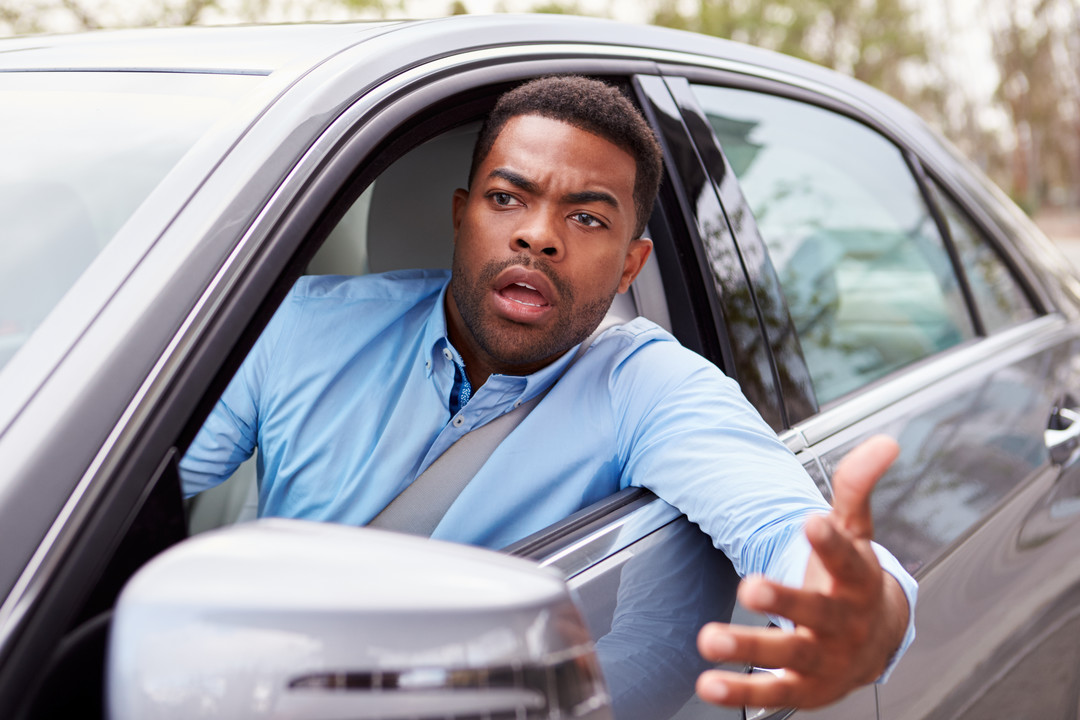
Tailgating and aggressive maneuvering are common on congested roads. Driving defensively is about space management and emotional control.
- Defensive Solution: Increase the 3-Second Rule. The international standard 3-second following distance should be increased to 4 or 5 seconds in heavy Kampala traffic, especially in the rain or behind large trucks/buses. This cushion of space gives you the necessary reaction time when the driver ahead slams their brakes due to an unannounced pedestrian or a surprise stop.
- The Power of Patience: Defensive driving is, above all, an attitude. Remaining calm and courteous, and understanding that aggression never saves time, is your strongest tool against road rage and accidents.
What a Professional Defensive Driving Course Teaches
Enrolling in a comprehensive Defensive Driving program is an investment in your life and the lives of your passengers. Such courses delve into critical areas that basic licensing does not cover:
- Skid Avoidance and Recovery: Learning how to correct a vehicle that has lost traction, a vital skill during Uganda’s heavy rainy seasons and on murram roads.
- Emergency Braking Techniques: Practicing controlled stops from speed to maintain steering control while braking hard—a necessary reaction to a sudden obstacle.
- Managing Fatigue and Distraction: Understanding the true danger of drowsy or distracted driving and developing pre-trip routines to mitigate these risks.
- Risk Evaluation: A systematic process to assess road conditions (e.g., poor visibility, sharp bends, blind hills) and adjust your speed and positioning accordingly.
Conclusion: Your Permit is the Key, Defensive Driving is the Lock
Your driving permit is your license to legally operate a vehicle. It’s the key that opens the road. However, defensive driving is the comprehensive skill set that locks in your safety.
In the demanding environment of Ugandan traffic, being technically correct according to the law is often secondary to being proactively safe. By mastering defensive driving techniques, you stop being a reactor to hazards and start becoming an anticipator.
Invest in your safety today. Go beyond the permit, master the art of defensive driving, and make every journey a confident, controlled, and safer experience for yourself and everyone else on the road.
Join Mumwe Driving School and learn defensive skills that will be beneficial in the short and long run. Contact us now by sending an email to learn@ugandadrivingschool.com or call us now on +256-700135510 to speak or chat with the reservations team.