Driving in Uganda, like many other countries, poses unique challenges that can sometimes provoke stress, frustration, and road rage. Road rage not only endangers the driver exhibiting it but also other road users, pedestrians, and passengers. Understanding how to manage emotions, practice patience, and adopt proactive strategies can significantly reduce incidents of road rage while contributing to safer roads in Uganda. This article explores practical ways to avoid road rage when driving in Uganda.
Understanding Road Rage in Uganda
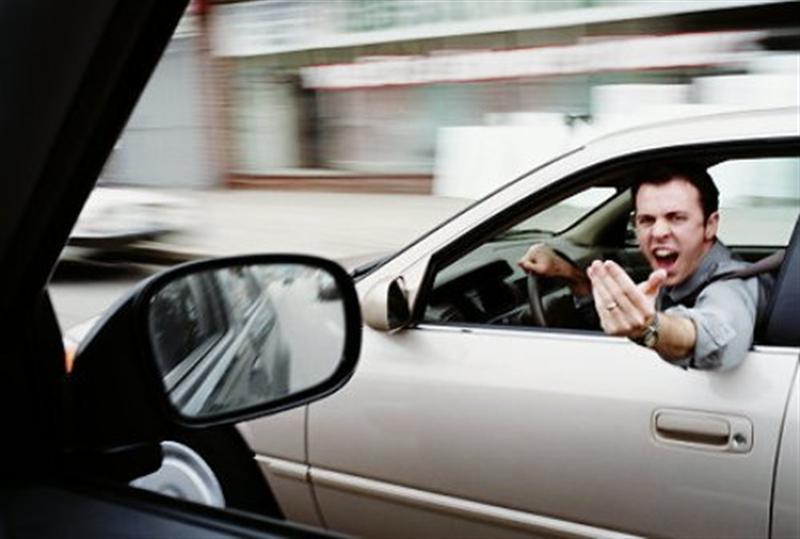
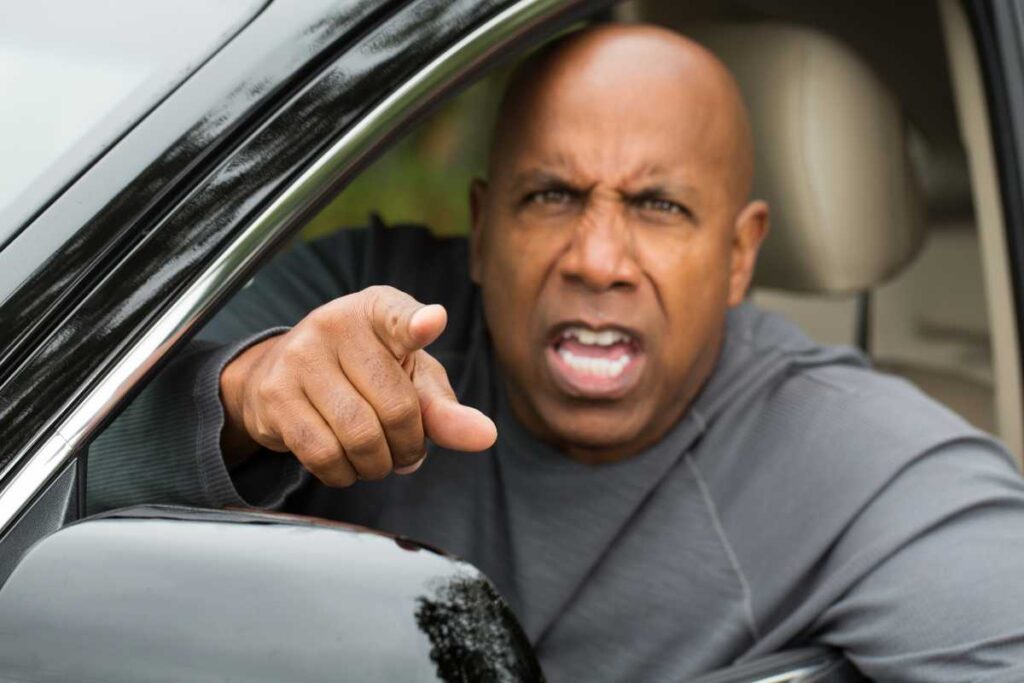
Road rage refers to aggressive or violent behavior exhibited by drivers in response to stressful situations on the road. It can include yelling, honking excessively, tailgating, cutting off other vehicles, or even engaging in physical confrontations. In Uganda, factors such as heavy traffic congestion in urban areas like Kampala, limited road infrastructure, diverse road users (motorcycles, buses, pedestrians), and occasional disregard for traffic laws exacerbate the risk of road rage.
Causes of Road Rage in Uganda
Several triggers commonly spark road rage incidents in Uganda:

- Traffic congestion: Persistent jams create frustration, especially during peak hours.
- Poor road conditions: Potholes, narrow roads, and unpaved surfaces increase stress.
- Impatience: Drivers rushing to reach destinations quickly may act aggressively.
- Disrespect of traffic rules: Tailgating, incorrect lane changes, or jumping traffic lights escalate tensions.
- Diverse road users: Motorcycles (boda bodas), pedestrians, and different vehicle types require vigilance but can frustrate following drivers.
- Personal stress: External factors unrelated to driving can lower a driver’s patience threshold.
Practical Tips to Avoid Road Rage When Driving in Uganda
1. Plan Your Journey and Allow Extra Time
Time pressure is a common cause of stress on Ugandan roads. Planning your trip with extra time buffers allows you to drive calmly without rushing. Check traffic reports when possible, anticipate delays in busy areas such as Kampala’s city center, and choose less congested routes.
2. Cultivate Patience and Emotional Control
Recognizing that some traffic conditions are beyond your control helps maintain calm. Practice deep breathing or mental techniques to manage frustration. Remind yourself that aggressive driving rarely saves time but increases risks.
3. Follow Traffic Laws and Road Etiquette
Adhering strictly to speed limits, traffic signals, and lane discipline reduces conflicts. Uganda Police’s enforcement of the traffic regulations aims at ensuring safety for all road users. Respecting boda bodas and pedestrians by giving them adequate space minimizes tensions.
4. Avoid Aggressive Driving Behaviors
- Do not tailgate or cut off other vehicles.
- Avoid excessive horn honking; use the horn only to alert others of danger or your presence.
- Give way where appropriate, especially at junctions and pedestrian crossings.
- Use indicators clearly for lane changes or turns.
5. Use Defensive Driving Techniques
Defensive driving involves anticipating potential hazards rather than reacting impulsively. Maintain a safe following distance, scan the road ahead for obstacles or erratic behaviors, and stay alert for sudden stops or movement by boda bodas.
6. Manage Personal Stress Before Driving
If you are upset or angry before getting behind the wheel, consider waiting or taking a brief break to regain composure. Driving with unresolved stress amplifies the likelihood of road rage.
7. Keep Communication Respectful if Confronted
If another driver becomes aggressive or hostile, do not engage in verbal or physical confrontations. Maintain a calm demeanor, avoid eye contact if necessary, and safely remove yourself from the situation.

8. Support Road Safety Campaigns and Education
Participating in or supporting initiatives by organizations like Uganda Police Traffic Department, Uganda National Roads Authority (UNRA), and local NGOs can help foster a culture of respect and safety on roads.
Common Scenarios and How to Handle Them Calmly
Encountering Boda Bodas
Boda bodas are integral to transport in Uganda but can cause anxiety for some drivers due to their maneuverability and sometimes unpredictable driving. To avoid aggression:
- Keep a safe distance from boda bodas.
- Anticipate sudden lane changes but avoid aggressive honking.
- Give way to boda bodas when necessary.
Dealing with Traffic Jams in Kampala
Heavy traffic can test your patience. Instead of aggressive attempts to overtake or force lane changes:
- Accept delays as inevitable and focus on calm breathing.
- Use the time to listen to calming music or an informative radio program.
- Avoid distractions but try relaxation techniques to keep calm.
Being Cut Off or Overtaken Recklessly
If another driver cuts you off:
- Avoid retaliating with honks or gestures.
- Keep your distance and slow down if needed to maintain safety.
- Focus on your own safe driving rather than punishing others.
The Importance of Mental Health in Driving Behavior
Mental well-being directly impacts driving habits. Chronic stress, fatigue, or underlying anger issues can predispose drivers to aggressive driving and road rage. Taking care of mental health, adequate rest before driving, and seeking professional help if anger or anxiety issues persist are crucial preventive measures.
Impact of Avoiding Road Rage on Ugandan Roads
Reducing road rage contributes to fewer accidents, injuries, and fatalities. It creates a more respectful driving culture, improving cooperation among diverse road users including pedestrians, motorcyclists, and public transport drivers. Harmonious roads enhance traffic flow and community safety, aligning with Uganda’s Vision 2040 goals for infrastructure and transport development.
Conclusion
Avoiding road rage while driving in Uganda requires a combination of practical planning, calm emotional control, adherence to traffic rules, and respect for all road users. Understanding common triggers and scenarios prepares drivers to respond safely under stressful conditions. By cultivating patience and defensive driving habits, Ugandan drivers not only protect themselves but contribute to safer and more pleasant roads for everyone.