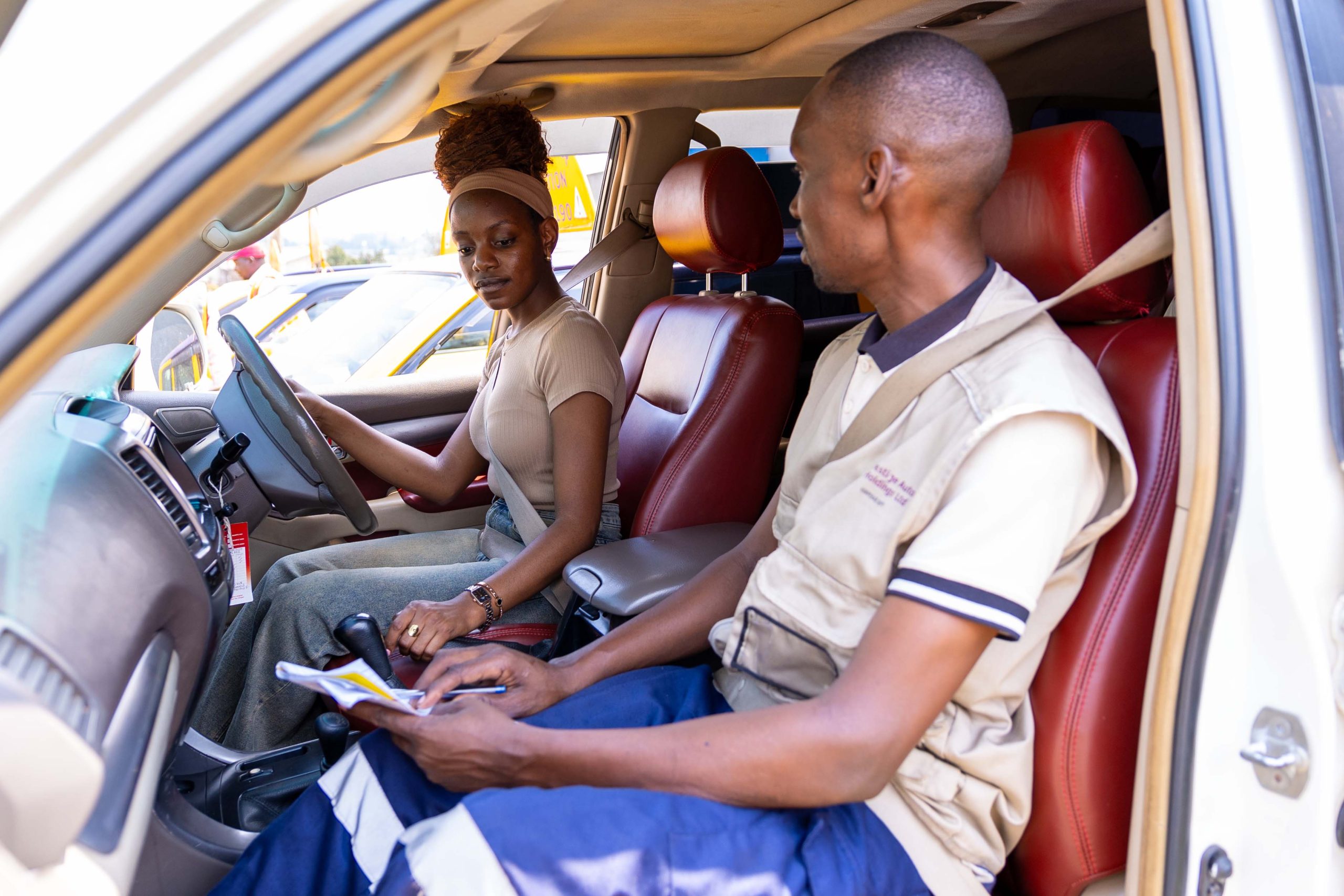
Uganda, often called the Pearl of Africa, is a country of stunning landscapes, vibrant cities, and warm-hearted people. However, for both residents and visitors, driving in Uganda presents a unique set of challenges and experiences that require preparation, patience, and adaptability. From the bustling streets of Kampala to the winding roads through tea plantations in the west and the dusty tracks leading to national parks, understanding the realities of Ugandan roads is essential for any driver.
The Ugandan Road Network
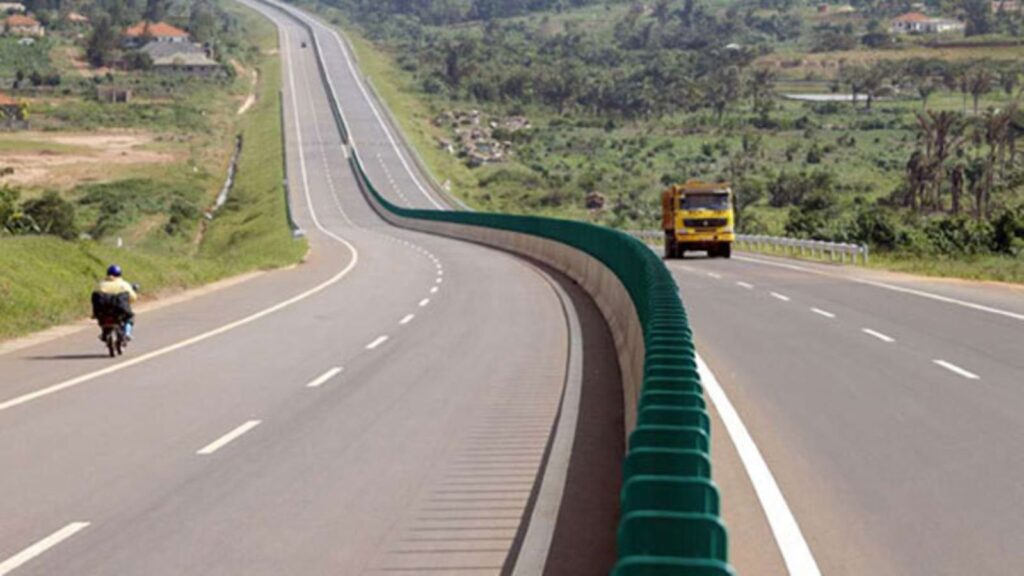
Uganda’s road infrastructure has undergone significant improvements over the past decade, yet it remains a work in progress. The country has approximately 130,000 kilometers of roads, but only about 20% are paved. Major highways connecting Kampala to cities like Entebbe, Jinja, Mbarara, and Gulu have seen substantial upgrades, with smooth tarmac and improved signage making intercity travel more comfortable than ever before.
However, venture off these main arteries, and conditions can deteriorate rapidly. Murram (gravel) roads dominate rural areas, and their quality varies dramatically depending on recent maintenance and weather conditions. During the rainy seasons—typically March to May and September to November—even well-maintained dirt roads can become treacherous, with deep potholes, mudslides, and flooding creating hazardous driving conditions.
The Urban Driving Experience
Kampala, Uganda’s capital and largest city, offers perhaps the most intense driving experience in the country. Traffic congestion is a daily reality, particularly during morning and evening rush hours when commute times can triple. The city’s infrastructure struggles to accommodate its rapidly growing population and increasing vehicle numbers, resulting in notorious bottlenecks at key intersections and along major routes like the Entebbe Expressway approach and Jinja Road.
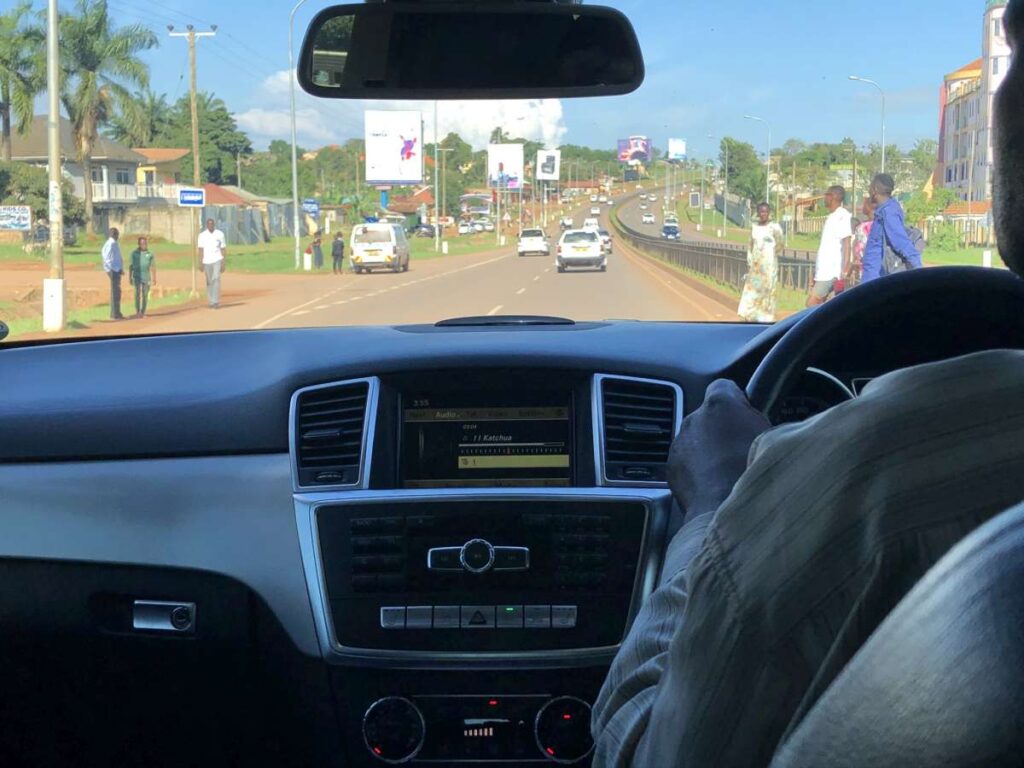
Urban driving in Uganda requires constant vigilance and defensive driving skills. The roads are shared by a chaotic mix of vehicles: private cars, matatus (shared minibus taxis), boda bodas (motorcycle taxis), delivery trucks, bicycles, and pedestrians all competing for space. Boda bodas, in particular, demand special attention as they weave through traffic with remarkable agility and sometimes alarming disregard for conventional road rules.
Traffic lights exist at major intersections, but power outages can render them inoperative, transforming busy junctions into free-for-alls where assertiveness and courtesy must be carefully balanced. Roundabouts are common, and while the give-way-to-the-right rule officially applies, practical application often depends on vehicle size, speed, and driver confidence rather than strict adherence to regulations.
Driving Culture and Road Etiquette
Ugandan driving culture reflects the country’s generally relaxed and friendly nature, but it also includes practices that can surprise newcomers. Overtaking on blind corners or hills, while illegal, is not uncommon on rural highways. Speed bumps, locally known as “sleeping policemen,” appear with varying frequency and often without adequate warning signage, necessitating constant speed moderation in populated areas.

Horn use is liberal and serves multiple purposes: warning of one’s presence, expressing frustration, greeting friends, or simply announcing arrival. Flash-to-pass signals from oncoming vehicles can indicate either a warning about police or hazards ahead, or permission to overtake—context is everything.
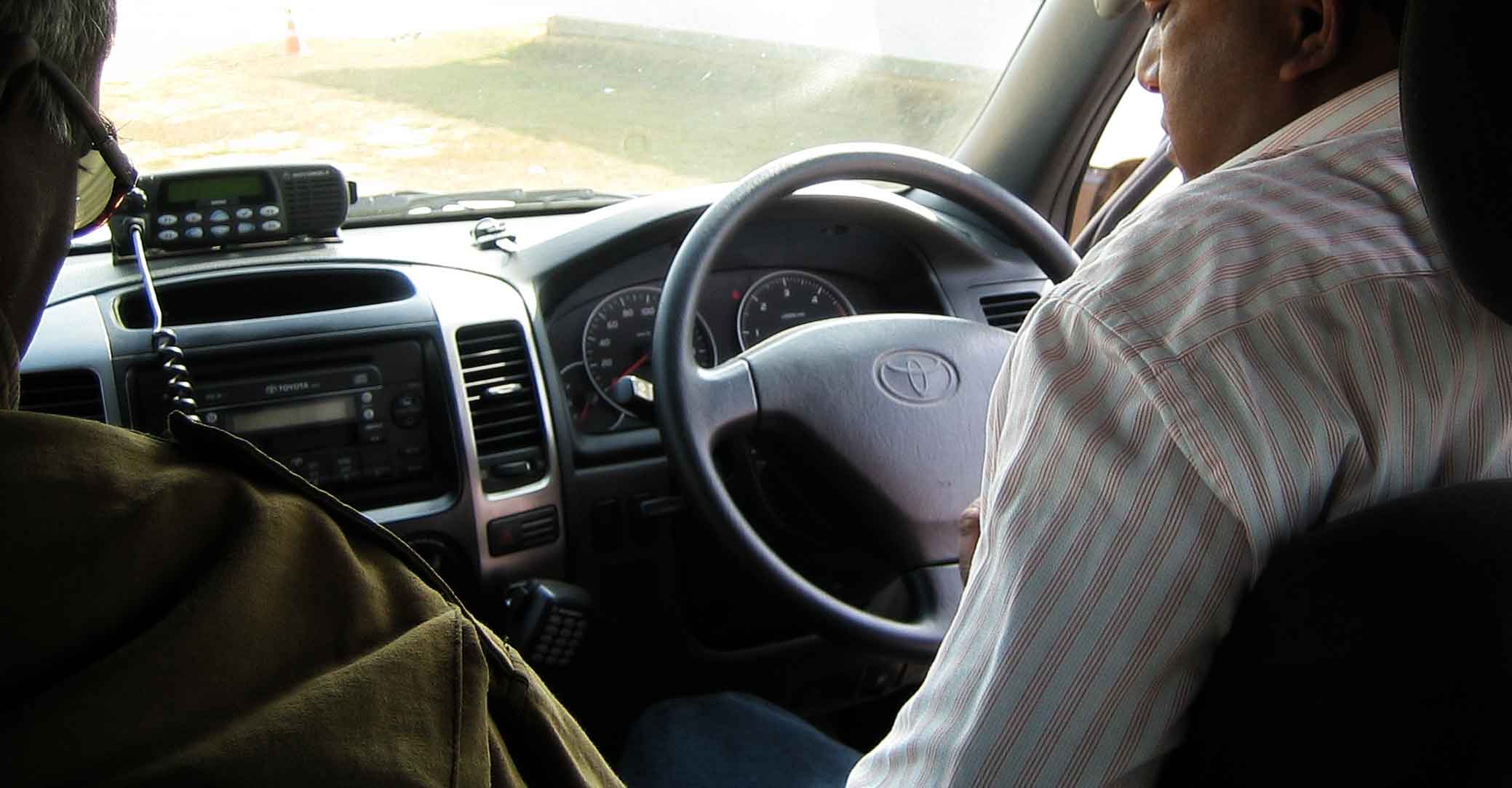
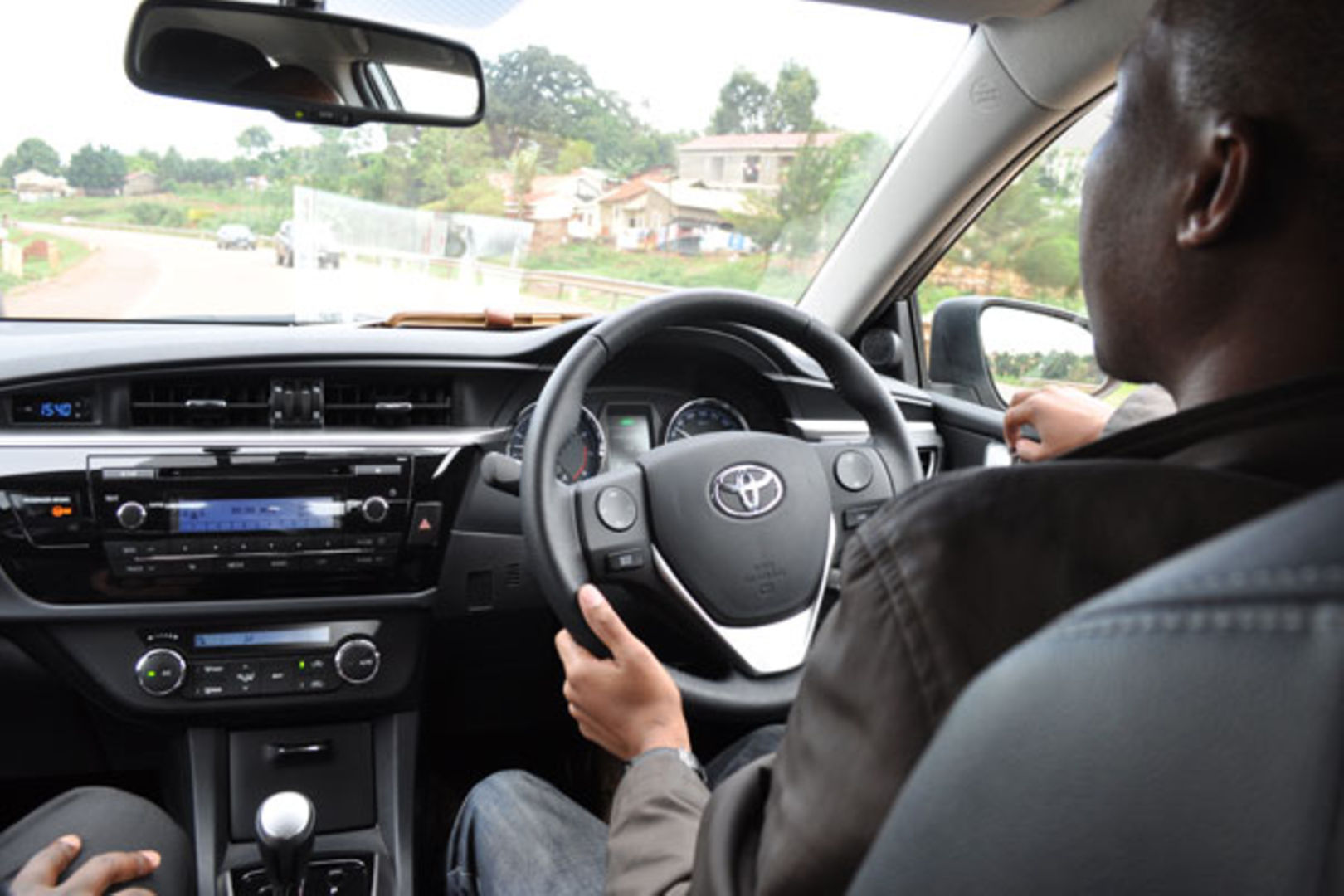
Right-hand drive vehicles dominate, a legacy of British colonial influence, with traffic keeping to the left side of the road. However, drivers should be prepared to encounter occasional left-hand drive vehicles, particularly older imports from continental Europe or Asia, which can create additional unpredictability on the roads.
Safety Considerations
Road safety remains a significant concern in Uganda. According to traffic authorities, the country experiences thousands of road accidents annually, with boda boda accidents representing a substantial proportion. Contributing factors include speeding, driving under the influence of alcohol, vehicle mechanical defects, and driver fatigue on long journeys.
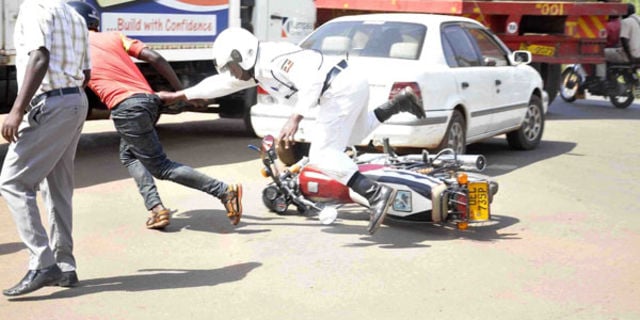
Police checkpoints are common, particularly on major highways and at entry points to towns and cities. These stops are ostensibly for checking vehicle documentation, driver’s licenses, and vehicle condition, though they’re sometimes viewed with cynicism by drivers who’ve encountered corruption. Keeping all documentation current and accessible—including your driving license, vehicle registration, insurance certificate, and inspection certificate—is essential for hassle-free travel.
Night driving poses additional risks and is generally discouraged, especially on rural roads. Poor or nonexistent street lighting, vehicles without functioning lights, pedestrians in dark clothing, and animals on the road create hazardous conditions after sunset. If night travel is unavoidable, extreme caution and reduced speeds are mandatory.
Practical Tips for Drivers
Successful driving in Uganda requires preparation and the right mindset. Always conduct a thorough vehicle check before long journeys, ensuring spare tires, tools, and emergency supplies are present. Fuel strategically, as petrol stations can be sparse in rural areas. Carry sufficient cash, as mobile money and card payments aren’t universally accepted at fuel stations.
GPS navigation has improved considerably, with apps like Google Maps providing generally reliable routing in urban areas, though rural accuracy can be questionable. Physical maps or local guidance remain valuable, particularly when traveling to remote destinations.

Comprehensive insurance coverage is not just prudent but often legally required. Beyond the mandatory third-party coverage, consider comprehensive insurance that covers theft, accidents, and damage, given the challenging road conditions and traffic environment.
The Rewards of Driving in Uganda
Despite its challenges, driving in Uganda offers unparalleled freedom to explore this beautiful country at your own pace. The ability to stop at roadside markets bursting with fresh pineapples and mangoes, to detour to a spectacular viewpoint overlooking the Nile, or to access remote national parks teeming with wildlife makes the effort worthwhile.
Conclusion
Driving in Uganda is an adventure that demands respect, patience, and adaptability. While the roads may test your skills and nerves, they also open doors to unforgettable experiences in one of Africa’s most diverse and welcoming countries. With proper preparation, defensive driving techniques, and a healthy dose of patience, navigating Ugandan roads becomes not just manageable but an integral part of your East African journey. Whether you’re a resident commuting daily or a visitor exploring this remarkable nation, understanding and embracing the unique character of Ugandan roads will enhance your experience in the Pearl of Africa.
Planning to self drive in Uganda and require a rental car for the safari or business trip- simply contact us now by sending an email to info@rentadriveruganda.com or calling +256-700135510 to speak with the reservations team.