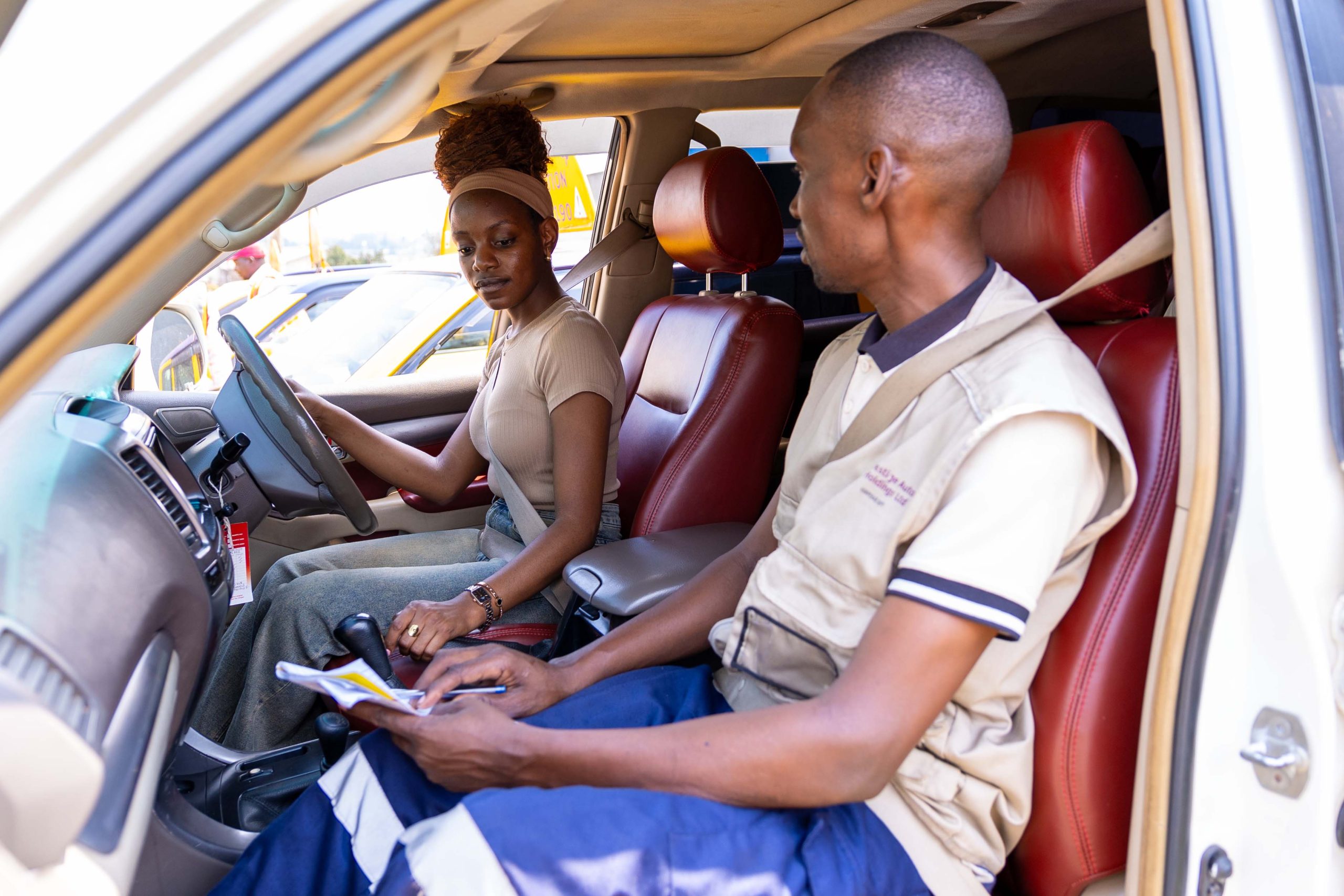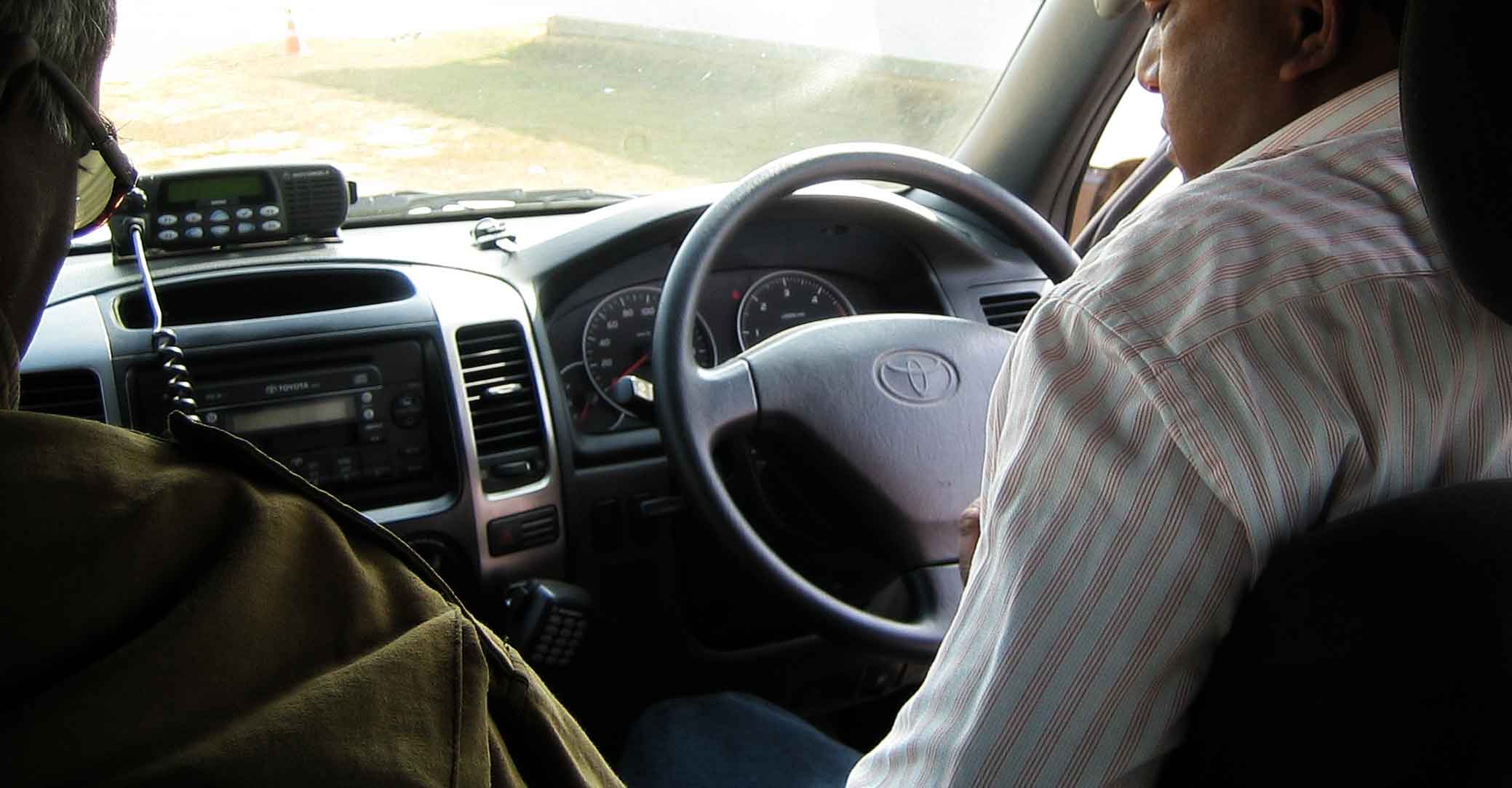
For anyone learning to drive or navigating the roads in the Pearl of Africa, the Uganda Highway Code is more than just a book of rules—it’s the foundation for road safety. However, applying these rules effectively in Uganda’s unique and dynamic traffic environment requires more than just memorization; it demands the insights of local experts.
Uganda’s top driving instructors bridge the gap between the printed code and the real-world chaos, transforming theory into practical, life-saving skills.
🚦 The Core Rules: Theory Meets Reality
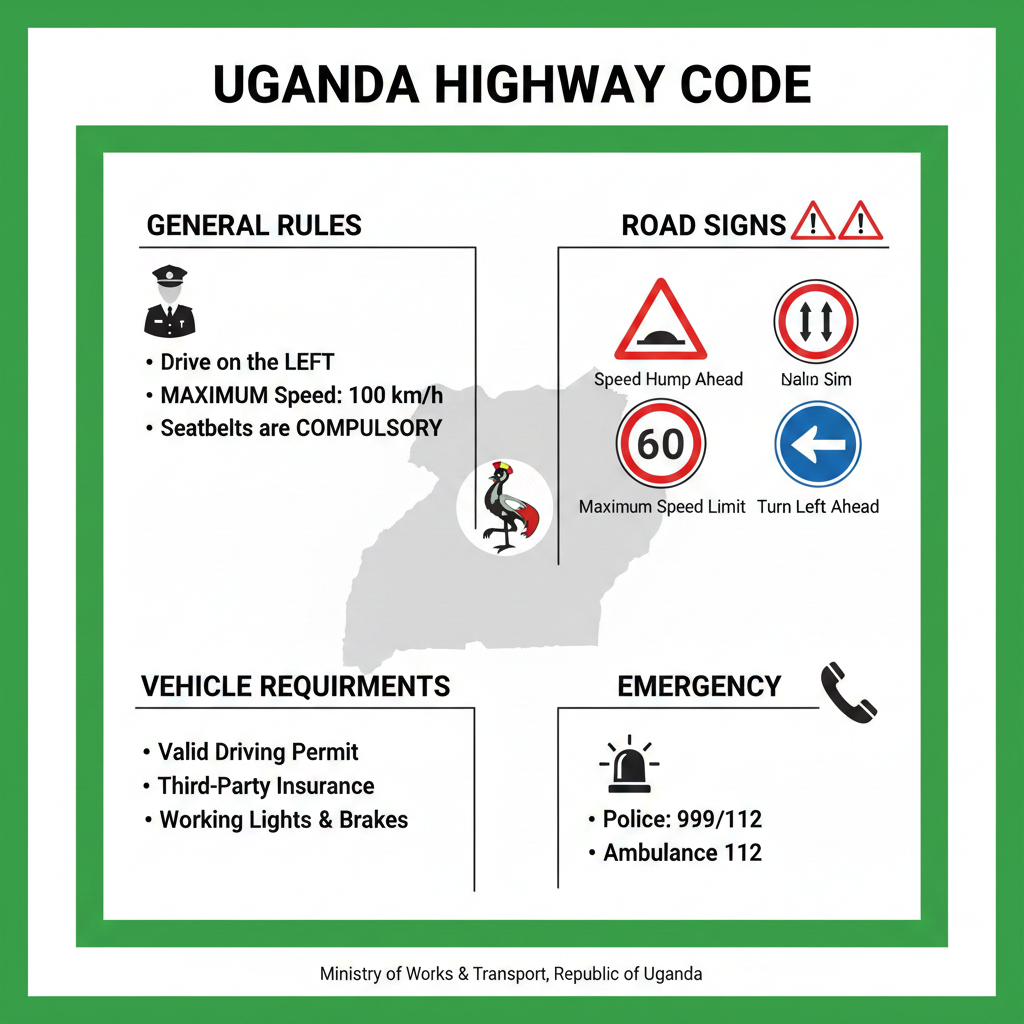
Uganda’s traffic laws are governed by the Traffic and Road Safety Act, with conventions largely following the British model. Understanding these core rules is the starting point:
- Keep Left: All vehicles must drive on the left side of the road. This is fundamental and non-negotiable.
- Speed Limits: Strict adherence is essential, especially with modern enforcement tools. Recent regulations (e.g., The Traffic and Road Safety (Prescription of Speed Limits) Regulations, 2024) emphasize the following maximum limits:
- Urban Areas/Trading Centres: 30 km/h (often clearly signposted).
- Highways (Urban Sections): 50 km/h.
- Paved Roads (Rural): Up to 90 km/h for light vehicles.
- School/Hospital Zones: Often 30 km/h.
- Roundabout Protocol: In a roundabout, traffic moves clockwise, and the vehicle already on the roundabout has the right of way over vehicles entering it.
- Documentation: You must always carry your valid driving license and relevant vehicle documentation (e.g., insurance sticker, registration).
🎓 Instructor Wisdom: Navigating Ugandan Nuances
While the Highway Code is universal, local instructors teach the critical unwritten rules and hazard perception unique to Uganda:
1. Anticipating Vulnerable Road Users
The greatest challenge in urban and rural Uganda is the high volume of pedestrians and Boda-bodas (motorcycles).
- Boda-boda Awareness: Instructors stress that a Boda-boda can appear in any gap, at any time, from any direction. Always check your blind spots twice before turning, changing lanes, or pulling off.
- Pedestrian Zones: Assume that pedestrians will be walking on the road, as sidewalks are often non-existent or obstructed. Slow down significantly in village and market areas and be prepared for sudden movements.
2. Mastering the Overtaking Dance
The code states overtaking must be done on the right and only when safe. Local instructors add crucial layers to this:
- Check and Be Checked: Before you overtake, check your mirrors and your blind spot. More importantly, be aware of vehicles trying to overtake you. A professional driver will sometimes slightly ease off the accelerator or move a little further left to signal an overtaking driver that they have been seen and can proceed.
- Never Blind Overtake: Never overtake on or near a blind corner, hill crest, or over solid double white lines.12 The risk of a head-on collision is too great.
3. Understanding Traffic Signals and Police Stops
Ignoring a traffic sign, such as a Stop Sign or Give Way Sign
Shutterstock
Explore
, is a common reason for failing the driving test and a major cause of accidents.
- Complete Stop: At a STOP sign, you must come to a complete halt, not just a slow roll.13 This is a critical point tested by examiners.
- Police Stops: Instructors advise drivers to remain respectful and cooperative when stopped by traffic police.14 Ensure all documents are easily accessible. Never attempt to bribe an officer—fines are issued through an official express penalty ticket to be paid at a bank.15
⚠️ Common Test Mistakes to Avoid
Uganda’s top driving schools focus heavily on correcting the following common mistakes that often lead to test failure:
| Mistake Area | The Highway Code Requirement | Instructor’s Practical Tip |
| Observation | Proper use of mirrors and checking blind spots (MSM Routine). | Exaggerate your head movements when checking mirrors and blind spots so the examiner sees you are doing it. |
| Positioning | Keeping left and positioning correctly for turns and roundabouts. | For a left turn, stay close to the left side. For a right turn, position slightly toward the center line while maintaining a safe distance from oncoming traffic. |
| Clutch Control | Smooth movement and avoidance of stalling (manual vehicles). | Practice finding the bite point repeatedly, especially on an uphill slope using the handbrake to prevent rolling back. |
| Speed | Maintaining the correct speed limit for the area. | Do not drive too slowly. Driving significantly below the limit can also be a fault as it obstructs traffic flow. Blend safely with the speed of surrounding compliant traffic. |
By enrolling in a reputable driving school in Uganda and internalizing the guidance of local experts, aspiring drivers can effectively decode the Uganda Highway Code, ensuring they are not just licensed, but prepared to drive safely and confidently on any road in the country.
For more information about Uganda’s highway code – simply contact us now by sending an email to learn@ugandadrivingschool.com or call us now on +256-700135510.