Uganda has earned its nickname, the Pearl of Africa, for good reason. Misty mountains in the southwest, savanna teeming with wildlife in the west and north, the source of the Nile in Jinja, and the buzz of Kampala all sit within a single, compact country — and a surprising amount of it is best seen from behind the wheel of a car. Whether you’re planning a self-drive safari or simply want the freedom to stop wherever the view demands it, here’s everything you need to know before you hit Ugandan roads.
Can Tourists Legally Drive in Uganda?
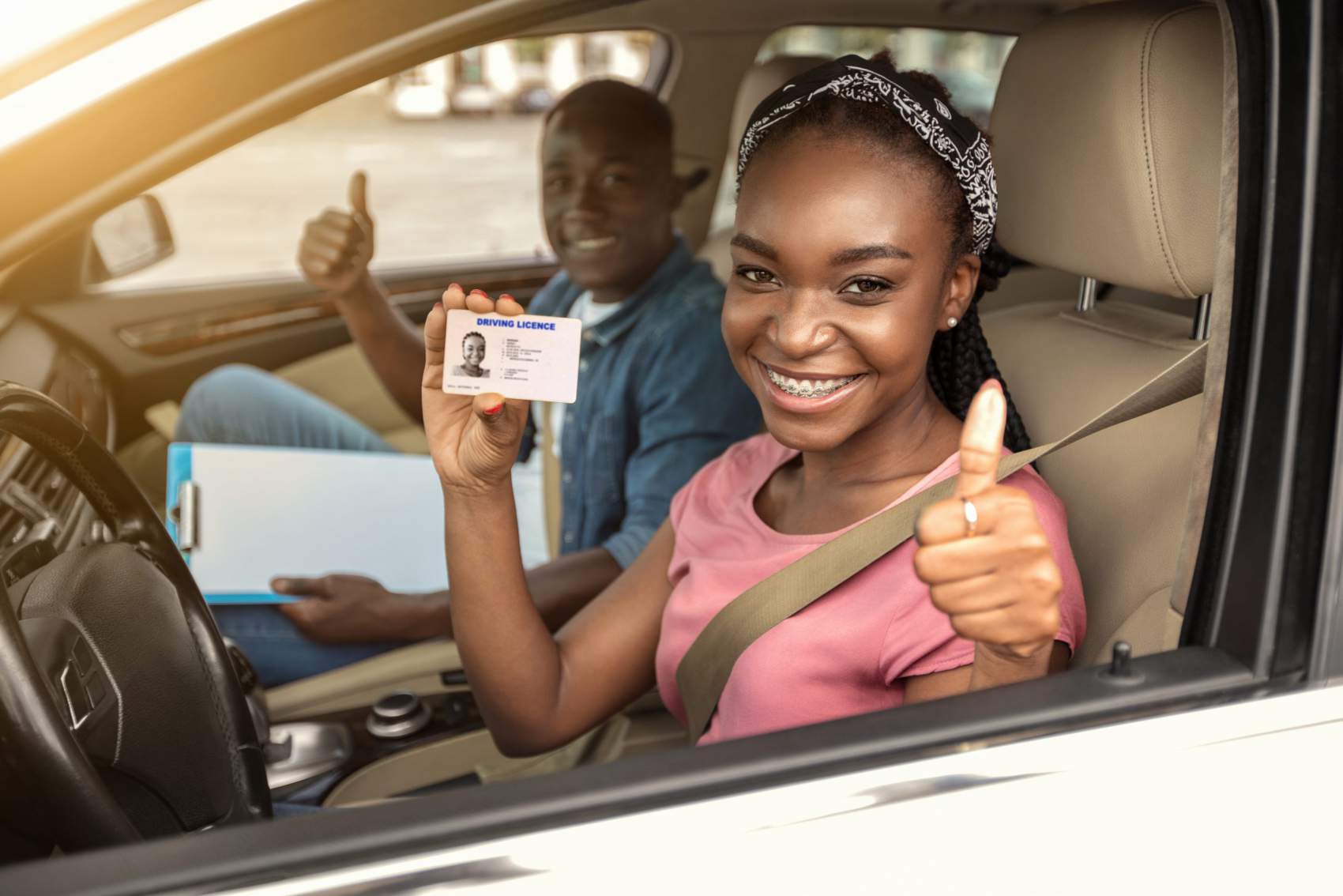
Yes. Uganda is a signatory to the 1949 Geneva Convention on Road Traffic, which means the country recognizes International Driving Permits (IDPs) issued by other member countries. In practice, this means most visitors can drive legally using a combination of their home country license and a valid IDP.
What you need:
- A valid driving license from your home country
- A valid International Driving Permit (IDP), obtained before you arrive — you cannot get one in Uganda
- Your passport and visa, carried at all times alongside your license
If your home license is already printed in English (common for the US, UK, Canada, Australia, and South Africa), some rental companies will accept it on its own for short stays, but carrying an IDP anyway is the safer, more universally accepted option. Citizens of East African Community countries (Kenya, Tanzania, Rwanda, Burundi, South Sudan, DRC) can drive on their national licenses without an IDP, provided the license is in English or accompanied by a certified translation.
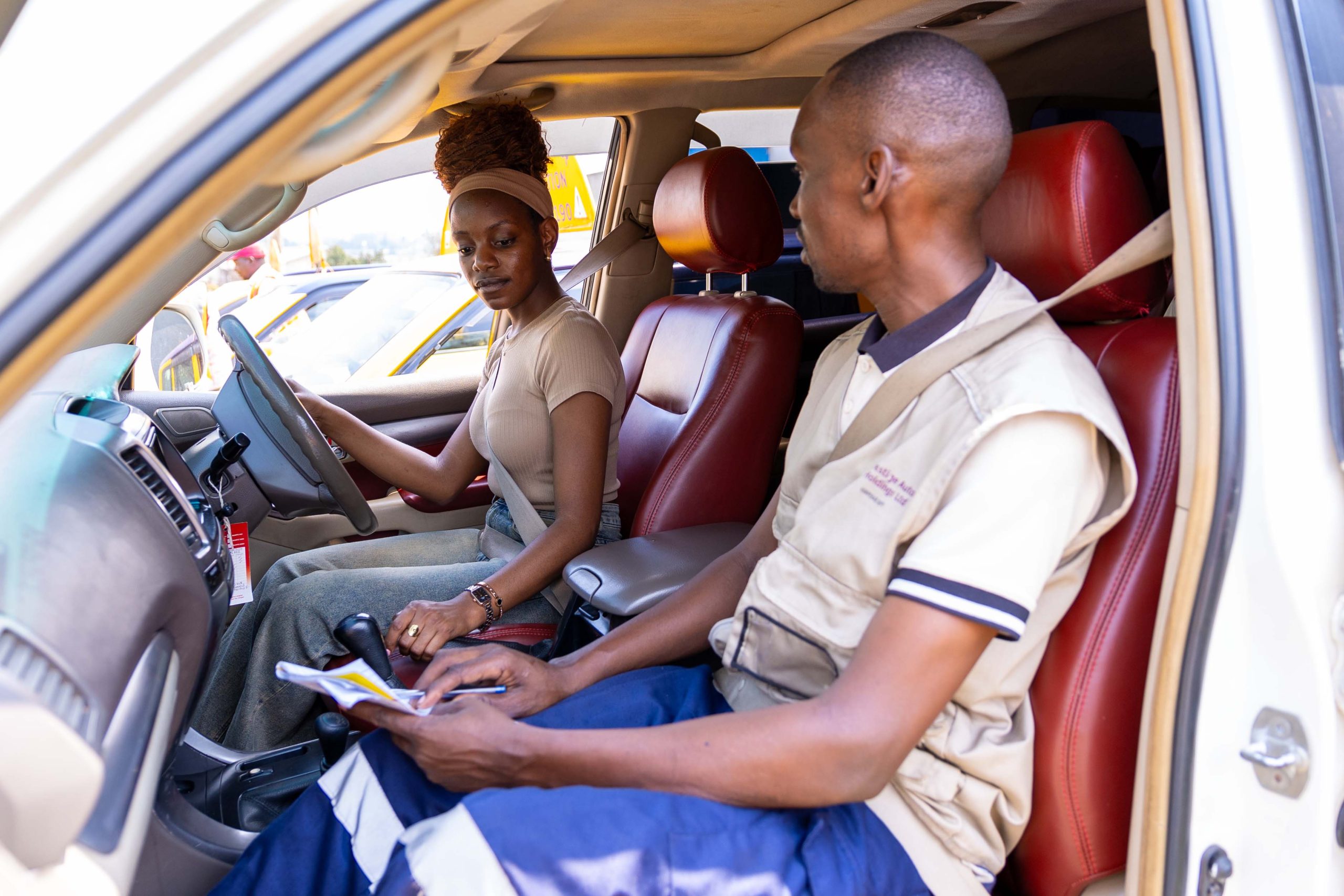
This arrangement is valid for stays of up to 90 days. If you’re staying longer, you’ll need to apply for a Ugandan driving license through the Uganda Revenue Authority (URA).
Documents to keep in the car at all times:
- Original driving license and IDP
- Passport and visa
- Vehicle registration certificate
- Certificate of insurance
- Rental agreement, if driving a hired vehicle
It’s worth keeping photocopies of everything in a separate bag from the originals — if your documents are lost or stolen, copies make resolving the situation with police or your rental company much faster.
The Basics: Which Side of the Road, and How Fast
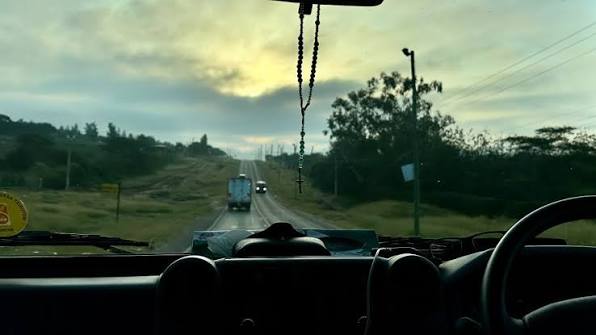
Uganda drives on the left, a legacy of British colonial rule, with the steering wheel on the right side of the vehicle. If you’re used to right-hand traffic, give yourself time to adjust, especially at roundabouts (which move clockwise, with vehicles already in the circle having the right of way) and when making turns.
Speed limits are enforced through police checkpoints and an increasing number of speed cameras, particularly around Kampala and on major highways:
| Zone | Speed Limit |
|---|---|
| School zones | 30 km/h (during school hours) |
| Urban areas (Kampala, Entebbe, Jinja, Mbarara, etc.) | 50 km/h |
| National parks | 40 km/h |
| Rural paved roads | 80 km/h |
| Major highways | 100 km/h |
Uganda’s ITMS traffic enforcement system issues fines that are tied permanently to a vehicle’s registration plate — they cannot be cleared or erased. Speeding fines range from roughly USD 54 (for exceeding the limit by up to 30 km/h) to USD 162 (for more than that). Most rental vehicles are now fitted with GPS trackers that flag speeding to the rental company, and exceeding limits can void your rental agreement.
Seatbelts are mandatory for the driver and front-seat passenger.
Road Conditions: What to Actually Expect
Road quality in Uganda varies enormously depending on where you are:
- Major highways connecting Kampala to Entebbe, Jinja, Mbarara, and Gulu are generally tarmacked and well maintained.
- Rural connecting roads are frequently unpaved, with potholes, gravel stretches, and washouts — especially during the rainy seasons (March–May and September–November).
- National park roads are typically dirt or gravel tracks, and can become deeply rutted or genuinely impassable after heavy rain.
- Kampala itself suffers from heavy congestion, particularly during rush hours (7–9 AM and 5–7 PM).
A practical rule of thumb: Google Maps and similar apps consistently underestimate driving times in Uganda, sometimes by 30% or more on rural and park roads. Build generous buffer time into any day’s itinerary, and avoid scheduling ambitious drives after dark.
Do You Need a 4×4?
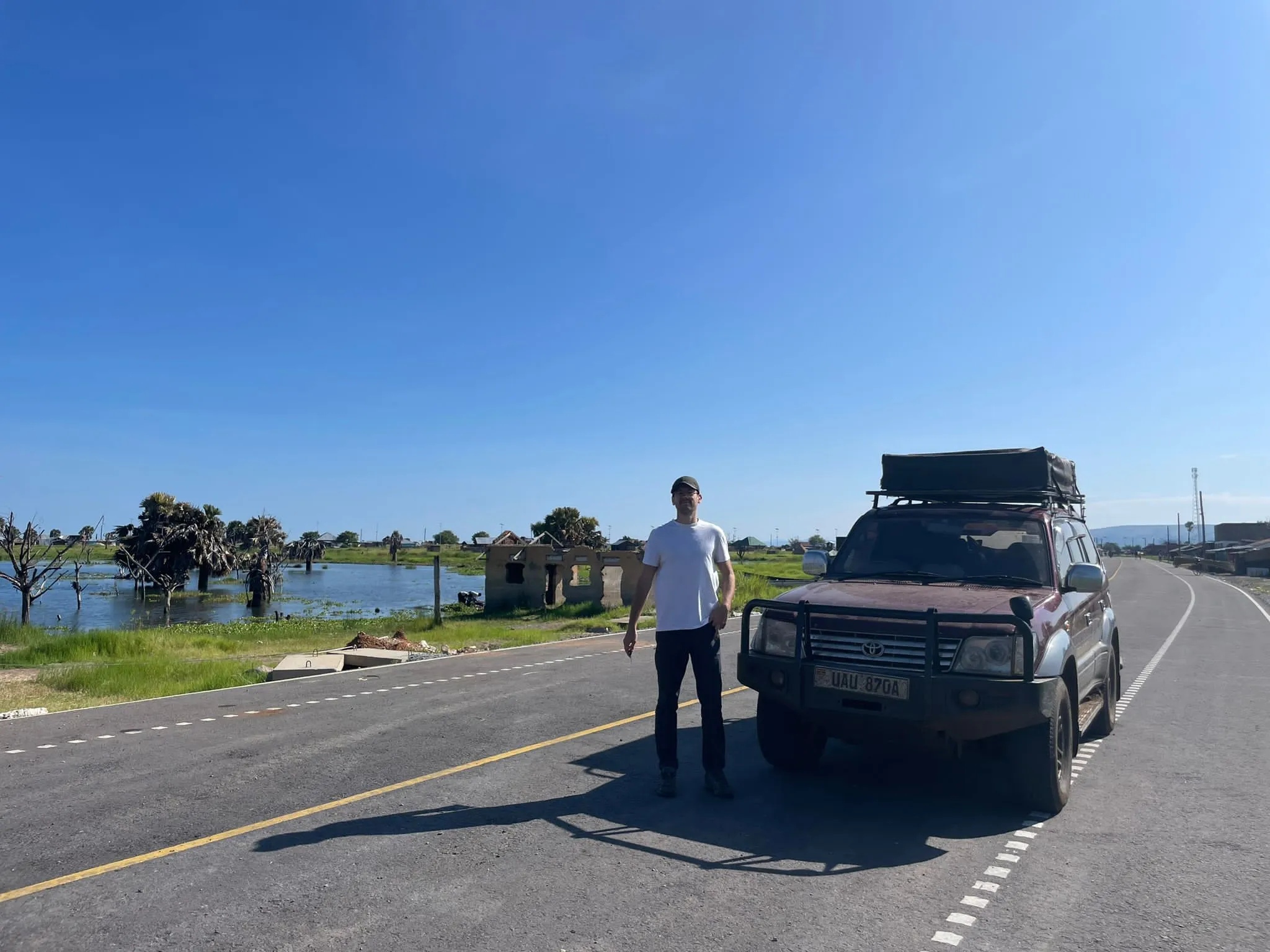
For city driving, the Kampala–Entebbe corridor, and travel between major towns, a standard vehicle is usually fine. But if any part of your trip takes you into a national park, a 4×4 with high ground clearance is strongly recommended — in some cases, essential.
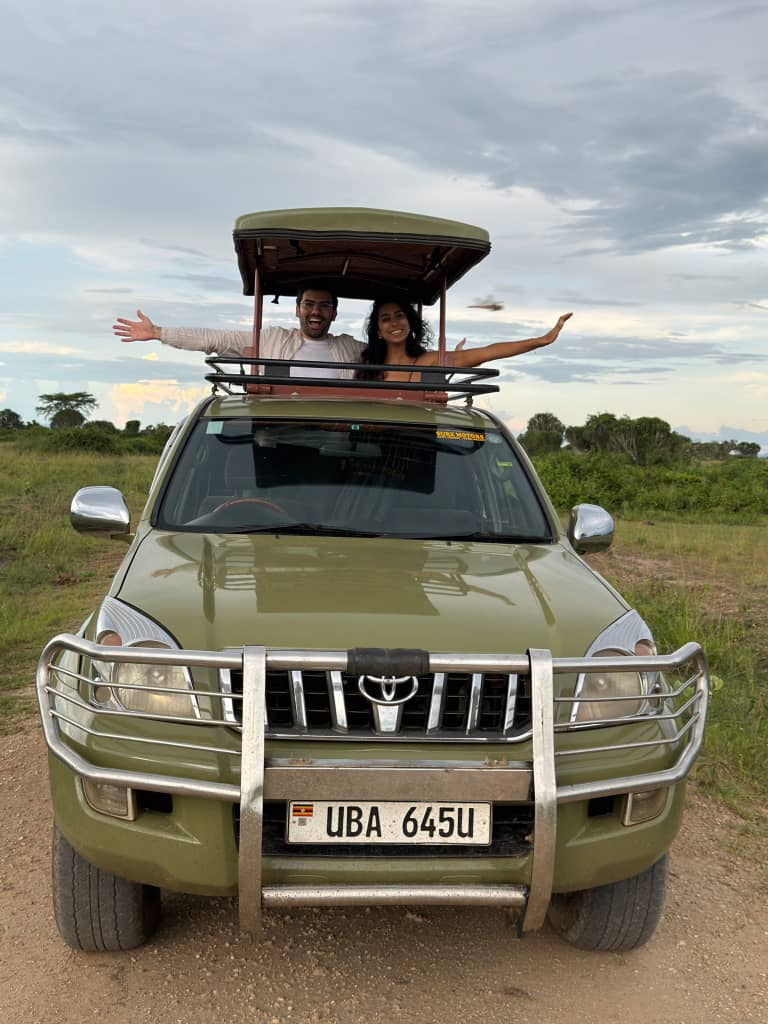
Parks like Bwindi Impenetrable, Kidepo Valley, the Ishasha sector of Queen Elizabeth, and remote parts of Murchison Falls have tracks that are rocky, rutted, or soft even in the dry season, and can become impassable to anything less capable in the rains. The Toyota Land Cruiser (V8, 70-series, or Prado) is the standard choice among experienced self-drive travelers in Uganda, prized for its ground clearance and the wide availability of spare parts across East Africa. A Toyota RAV4 can handle lighter park roads but isn’t a substitute for a proper 4×4 on the rougher tracks.
Self-Drive vs. Hiring a Driver-Guide
You have three main options for getting around:
- Self-drive 4×4 — Best for experienced drivers who are comfortable with unpaved roads, basic navigation, and changing a tire if needed. Offers the most freedom and privacy.
- Private driver-guide — The option most visitors choose. You get local road knowledge, someone who can spot wildlife and navigate at night on your behalf, and one less thing to manage on a trip that already involves gorilla permits, park schedules, and long distances.
- Group minivan or shared tour — The most budget-friendly option for smaller groups, though it comes with less flexibility over routing and stops.
If you’re combining a road trip with gorilla or chimpanzee trekking, book your vehicle, driver-guide, and trekking permits well in advance — three to six months ahead during high season is a reasonable target, as permits can sell out.
Practical Safety Tips
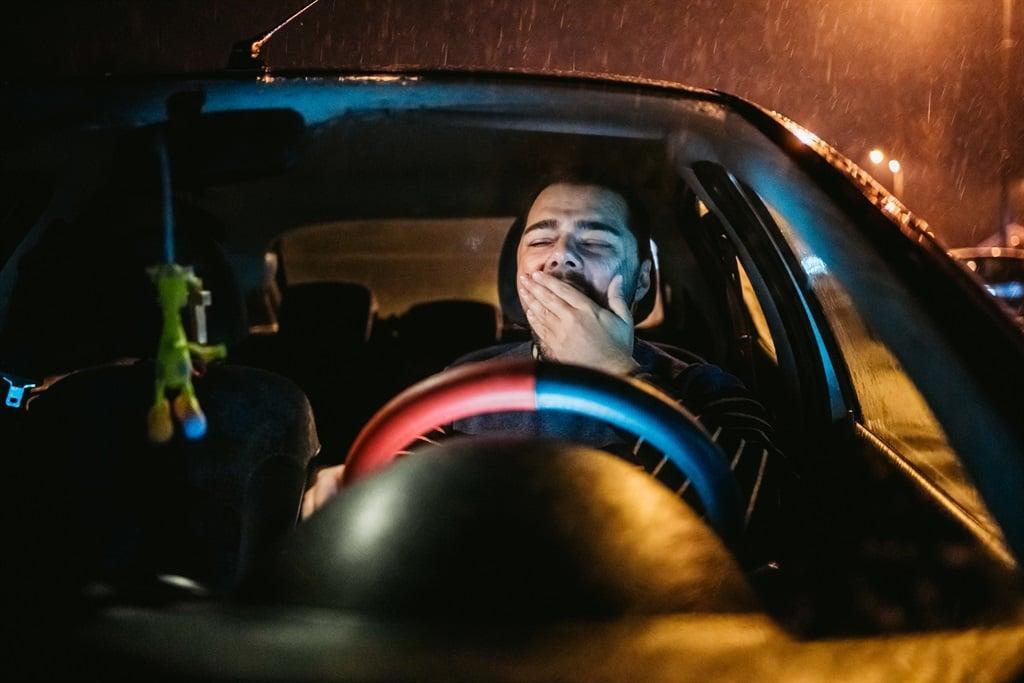
- Avoid driving after dark wherever possible. Roads are poorly lit, wildlife (including livestock) wanders onto the tarmac, and other vehicles — especially trucks and motorcycle taxis (boda-bodas) — are harder to see.
- Watch for boda-bodas. Motorcycle taxis are everywhere, often weave unpredictably, and are involved in a disproportionate share of Uganda’s road accidents. Give them extra space.
- Refuel before entering national parks. Fuel stations are sparse once you’re off the main highways, and running low inside a park is not a risk worth taking.
- Carry drinking water and basic emergency supplies — a spare tire, tools, and a charged phone are the minimum for any park or rural drive.
- If you must stop at night, do it somewhere lit and populated — a hotel, lodge, or fuel station — rather than an isolated stretch of road.
- Always stop at police checkpoints when signaled. They’re a routine and common feature of Ugandan highways, particularly on the Kampala–Entebbe Expressway, the Kampala–Mbarara highway, and roads leading to national parks.
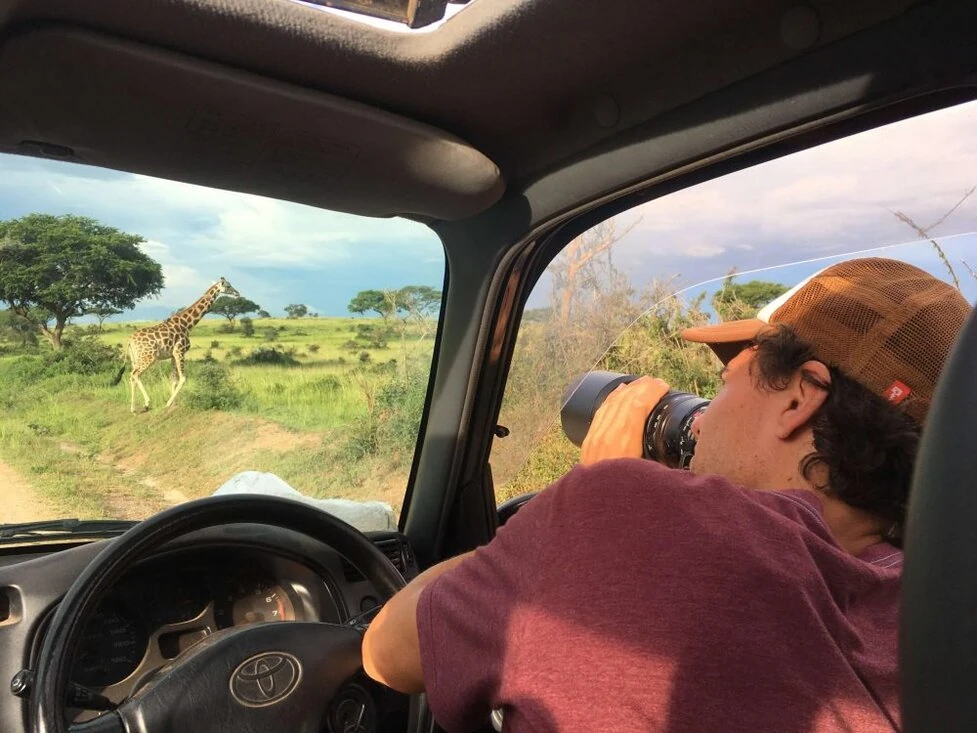
- Respect park speed limits religiously. They exist because animals cross tracks without warning, and a collision with wildlife is dangerous for you and the animal alike.
Best Time of Year to Drive in Uganda
The dry seasons — June to September and December to February — offer the best driving conditions, with firmer roads and easier navigation to remote parks. The wetter months (March–May and October–November) bring lower prices and lush scenery, but also muddier, more challenging roads, particularly in and around national parks. Uganda is drivable year-round, but if it’s your first time navigating the country by road, the dry season is the more forgiving choice.
Final Thoughts
Driving in Uganda rewards preparation. Get your IDP sorted before you land, choose a vehicle that actually matches your route, build extra time into your itinerary, and treat wildlife crossings and boda-bodas with real caution. Do that, and a road trip through Uganda — from the crater lakes of the west to the plains of Murchison Falls — is one of the most rewarding ways to experience the country.
Planning to visit Uganda and would love to rent a car for self drive adventure or with a driver- simply contact us now by sending an email to info@ugandacarrentalservices.com or calling +256-700135510.