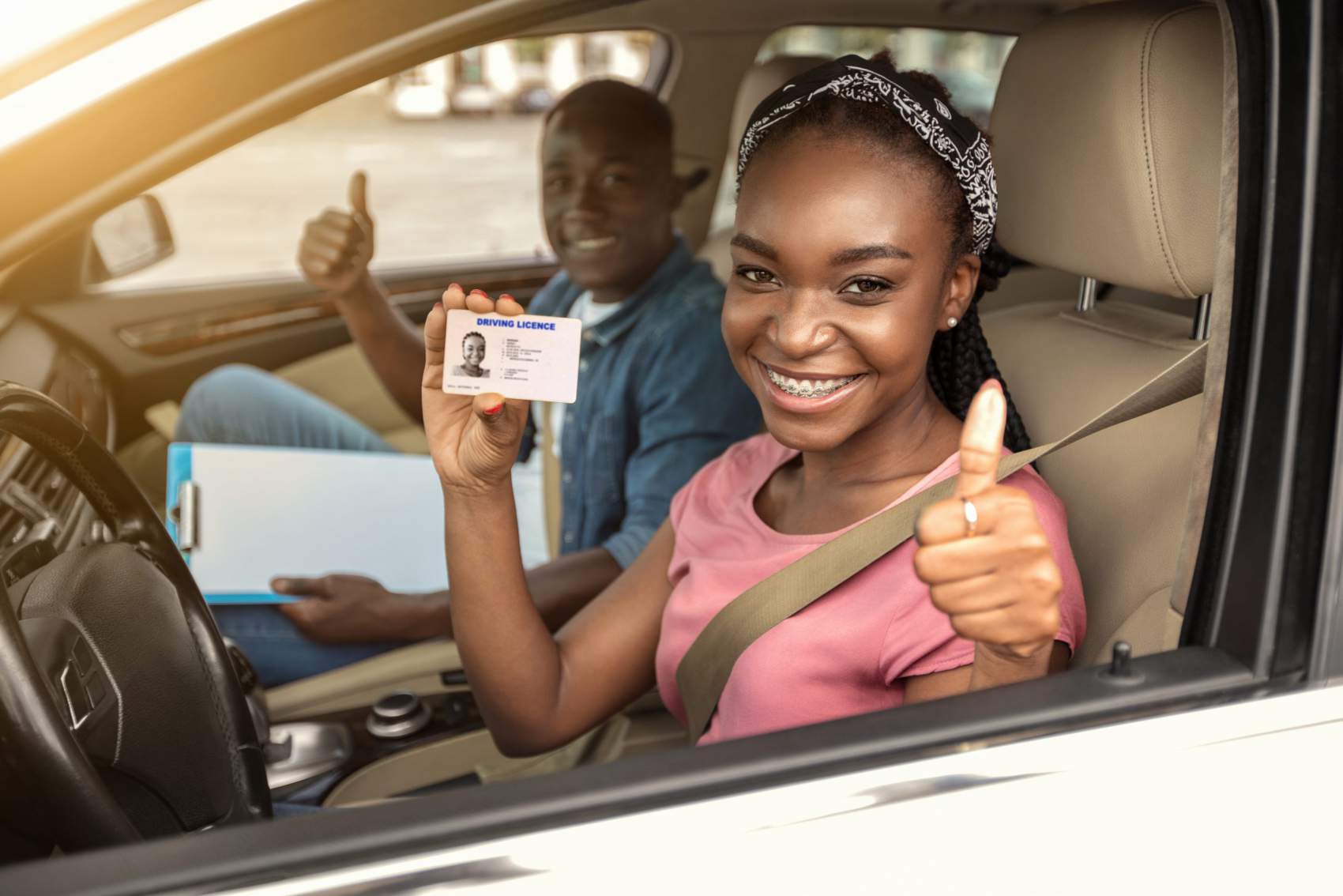
As we navigate through 2026, the landscape of driving in Uganda has shifted significantly. While the streets of Kampala are increasingly filled with sleek, modern automatic SUVs and electric vehicles, the debate over which driving course in Uganda offers the best “bang for your buck” remains more relevant than ever. For a new learner, the choice between manual and automatic is not just about which car is easier to steer—it is a financial and strategic decision.
In this guide, we break down the costs, benefits, and long-term value of manual versus automatic driving courses to help you decide which path is truly the most cost-effective.
1. Initial Tuition Fees: The Price of Convenience
When looking at the price tags of driving schools in Uganda today, you will notice a distinct gap. On average, a complete driving course (including theory and practical lessons) for a manual vehicle ranges between UGX 600,000 and UGX 1,200,000 in major urban centers.1
If you opt for an automatic course, expect to pay a “convenience premium.” Most driving schools charge an additional UGX 100,000 to UGX 300,000 for automatic training. Why? Automatic vehicles are more expensive for schools to purchase, maintain, and insure. Furthermore, the higher fuel consumption often associated with older automatic models used in training is passed down to the student.
Winner: Manual (Cheaper upfront tuition).
2. The Learning Curve: Time is Money
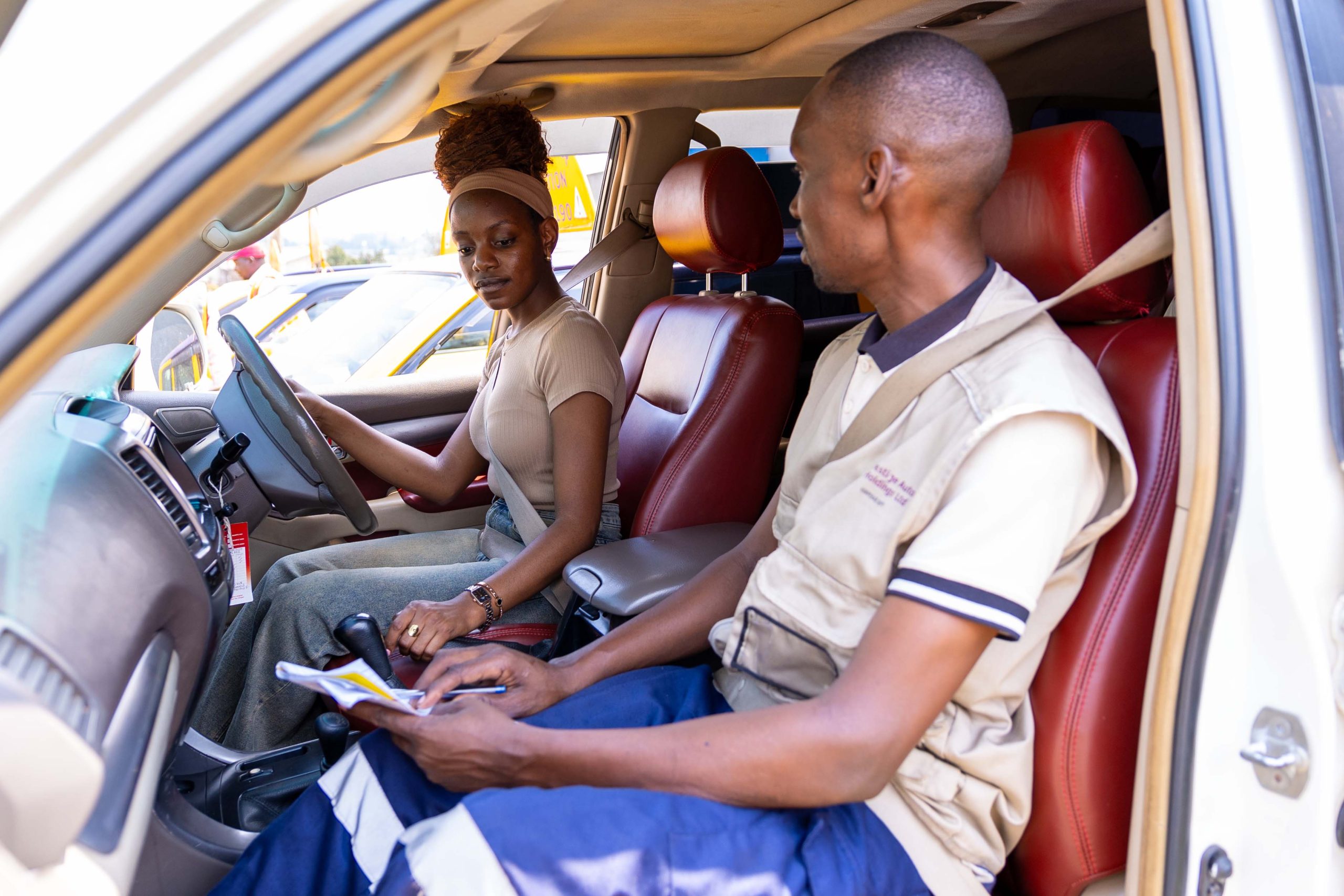
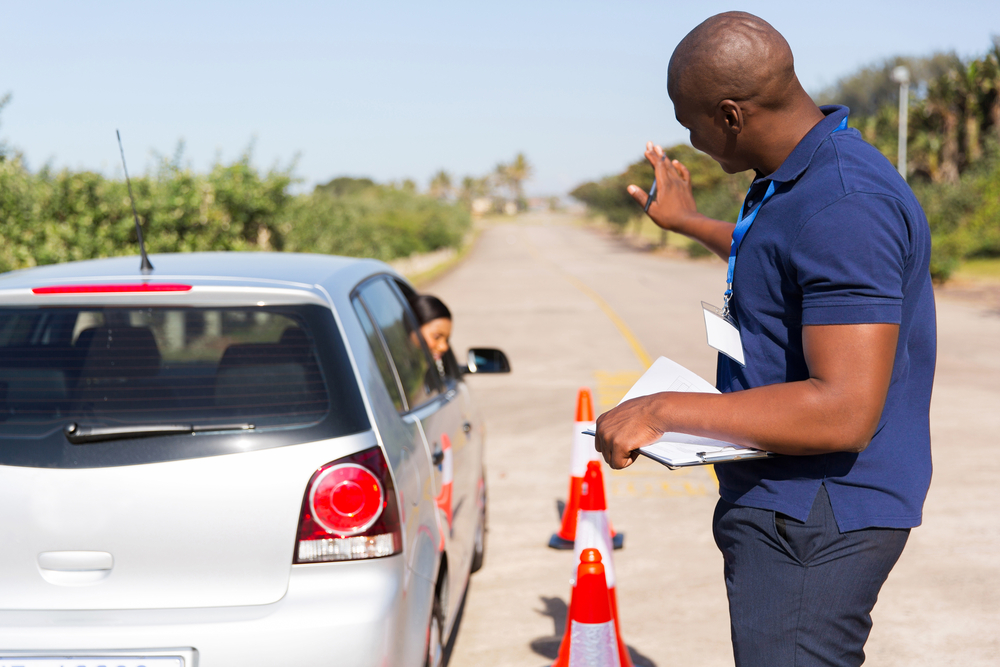
This is where the math gets interesting. While manual lessons are cheaper per session, they are undeniably harder to master. Learning to balance a clutch, navigate a gear stick, and execute a hill start without stalling takes time—often requiring 5 to 10 more hours of practice than an automatic.
In 2026, extra practice sessions in Kampala cost between UGX 30,000 and UGX 50,000 per hour. If you are a fast learner, an automatic course might actually save you money because you’ll need fewer lessons to become “test-ready.” However, if you struggle with the technicalities of a manual gearbox, your “cheap” manual course could quickly become expensive through added lesson fees.
Winner: Automatic (Potential savings on total hours learned).
3. Licensing Versatility: The “Two-for-One” Deal
In Uganda, the type of vehicle you test in determines what you are legally allowed to drive. This is perhaps the strongest argument for the cost-effectiveness of manual training:
- Manual License: Allows you to drive both manual and automatic vehicles.
- Automatic License: Restricts you only to automatic vehicles.
If you get an automatic license today but find a great job tomorrow that requires driving a manual delivery van or a company pickup, you will have to pay for a “Manual Upgrade” course, which currently costs around UGX 280,000. By choosing manual from the start, you avoid the cost of “re-learning” and re-testing later in life.
Winner: Manual (Superior long-term value and flexibility).
4. Vehicle Purchase and Maintenance Costs
The cost-effectiveness of your driving course extends to the car you will eventually buy. In the Ugandan used-car market (Bond), manual versions of popular models like the Toyota Premio or various pickups are often priced UGX 2,000,000 to UGX 5,000,000 lower than their automatic counterparts.
Additionally, manual transmissions are generally more robust and cheaper to repair. Replacing a clutch in a manual car is a standard, affordable procedure, whereas repairing a faulty automatic gearbox in 2026 can cost a small fortune in specialized labor and imported parts.
Winner: Manual (Lower secondary costs for car owners).
The Verdict: Which should you choose?
If your goal is immediate ease and comfort—perhaps you only plan to drive a personal car within the city and want to pass your test as quickly as possible—the Automatic Course is a worthy investment in your peace of mind.
However, if you are looking for the most cost-effective choice in the long run, the Manual Driving Course remains the undisputed king. For a slightly lower tuition fee, you gain a universal license, the ability to drive any vehicle in an emergency, and the option to buy more affordable manual cars.
In 2026, versatility is the ultimate form of saving. Learning manual may be harder for those first two weeks, but your wallet will thank you for years to come.