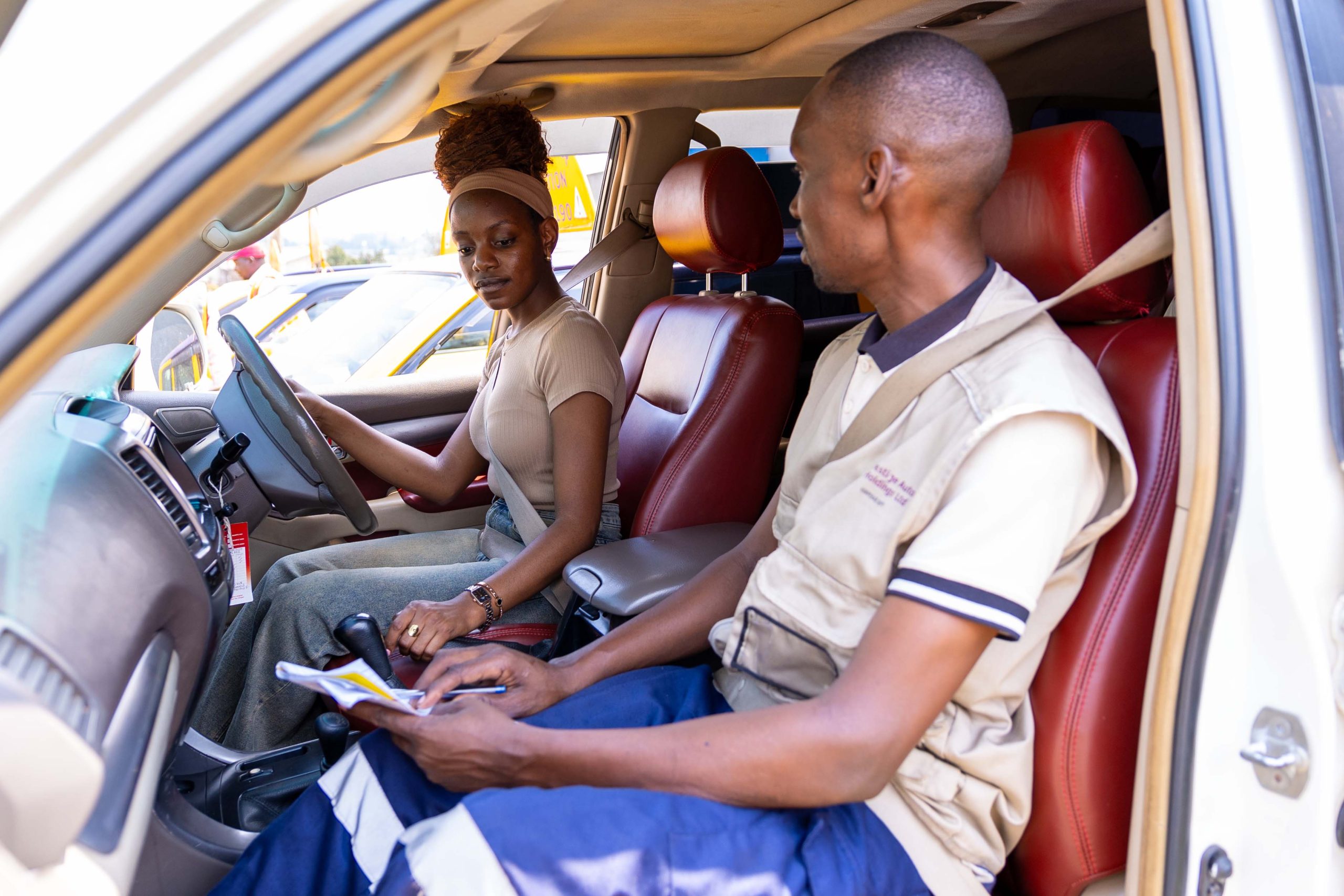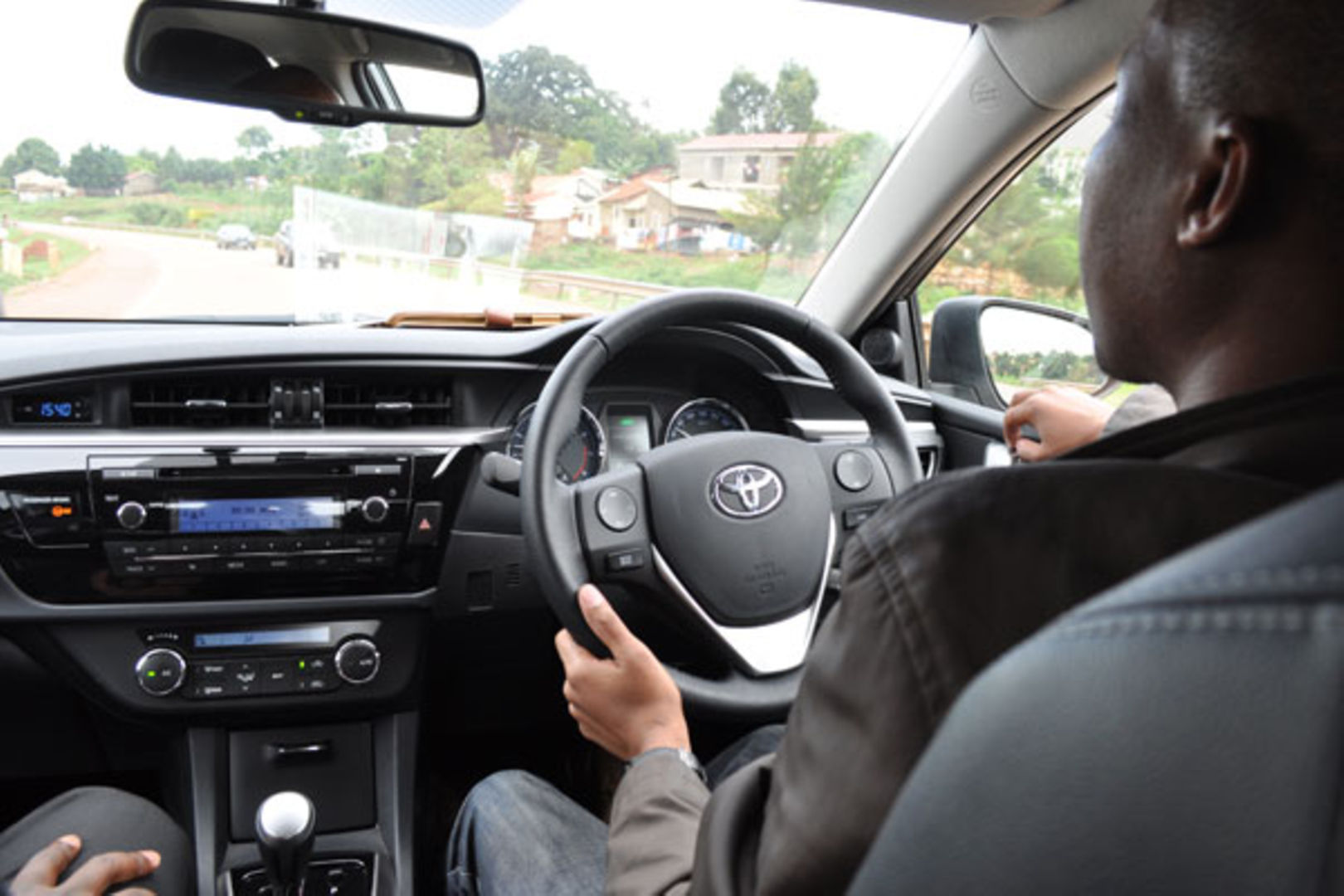
The bustling, vibrant streets of Kampala are a test of skill, patience, and knowledge for any motorist. While holding a valid Ugandan Driving Permit confirms your basic competence, navigating the city’s unique traffic flow and abiding by the regulations set by the Kampala Capital City Authority (KCCA) and the Ministry of Works and Transport requires constant awareness.
Many drivers understand the basic Stop and Go signs, but KCCA’s focus on road safety, particularly in high-risk zones, introduces specific rules that are often overlooked. This quiz isn’t just about passing a theory test; it’s about checking if you possess the real-world knowledge to ensure safety for yourself and, crucially, for the vulnerable road users who make up the majority of accident victims.
Ask yourself: Are you truly ready to drive in Kampala?
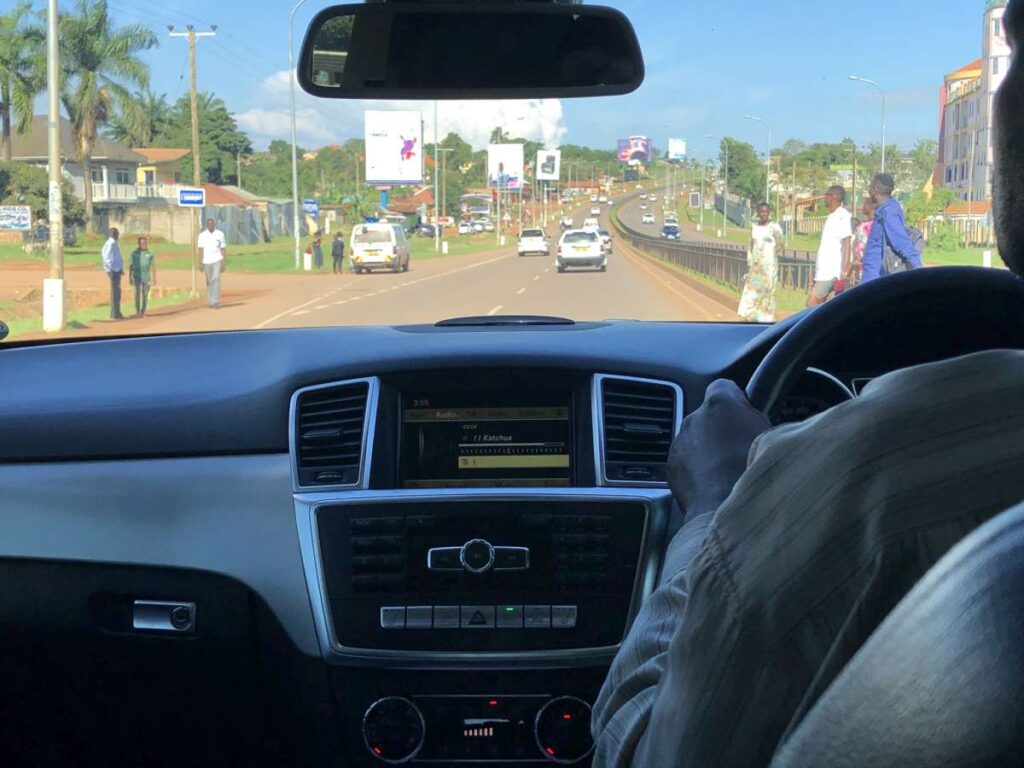
Part 1: Regulatory Signs – Rules You Must Follow
Regulatory signs are typically circular with a red border (for prohibitions) or blue (for mandatory actions). These are legally binding instructions; ignoring them can lead to KCCA fines, penalties, and accidents.
Quiz Question Set 1 (Regulatory)
- The New Speed Limit: What is the maximum speed limit recently enforced by KCCA in high-risk areas like school zones, hospitals, and busy markets within Kampala’s built-up areas?
- A. 50 km/h
- B. 40 km/h
- C. 30 km/h
- D. 60 km/h
- Yellow Box Junctions: When approaching a junction marked with criss-cross yellow lines (a “Yellow Box”), when is it permissible to enter the box?
- A. When the traffic light is green, regardless of the flow ahead.
- B. Only when your exit from the box is clear, allowing you to proceed immediately.
- C. When there is space for your vehicle to wait inside the box.
- D. When only boda-bodas or matatus are blocking the exit.
- The Blue Arrow: A circular sign with a white arrow pointing straight ahead indicates:
- A. Warning: One-way traffic ahead.
- B. Mandatory: Proceed only straight ahead.
- C. Information: Direction to follow for a major road.
- D. Mandatory: Turn left or right only.
Part 2: Warning Signs – Anticipating Hazards
Warning signs are almost always equilateral triangles with a red border and typically a white or yellow background. They warn of hazards ahead that require you to slow down and exercise caution. Being prepared for these hazards is the essence of defensive driving.
Quiz Question Set 2 (Warning)
- The Road Hump Sign: What does a triangular sign with a single black hump symbol indicate?
- A. A Level Crossing ahead.
- B. A single, sharp Road Hump or Speed Bump ahead.
- C. Uneven Road Surface (a series of bumps/ruts).
- D. A Bridge crossing a river.
- Pedestrian Crossing Ahead: A triangular sign showing two parallel zebra lines and a walking person indicates:
- A. You must stop immediately and wait for pedestrians.
- B. A Pedestrian Crossing is ahead; prepare to slow down and yield.
- C. School children are present; drive 30 km/h
- D. This is the Zebra Crossing itself.
- Slippery Roads: What does a triangular sign showing a car with wiggly skid marks indicate?
- A. Warning: Steep Descent ahead.
- B. Warning: Slippery Road Surface ahead, typically in wet conditions.
- C. Warning: Narrow Bridge ahead.
- D. Warning: Crosswinds expected.
Part 3: Priority & General Rules (The Kampala Context)
Traffic priority rules are vital in busy intersections and roundabouts, which are plentiful in Kampala. Understanding who has the right of way prevents gridlock and collisions.
Quiz Question Set 3 (Priority & General)
- Right of Way at a Roundabout: Which vehicles have the right of way at a typical Ugandan roundabout?
- A. Vehicles entering the roundabout from the left.
- B. Vehicles intending to exit the roundabout next.
- C. Vehicles already circulating within the roundabout.
- D. The largest vehicles (buses and trucks).
- The ‘Give Way’ Sign: When you encounter an inverted red and white triangle (Give Way or Yield) sign at a major road junction:
- A. You must stop completely, as if at a Stop sign.
- B. You must slow down and be prepared to stop to give way to traffic on the main road.
- C. You have the right of way over turning traffic.
- D. You must honk your horn to indicate your intention to proceed.
- Overtaking on the Road: When is it illegal to overtake another vehicle?
- A. When the road ahead is marked with a broken white line.
- B. When the road ahead is marked with a single continuous yellow line or double continuous yellow lines.
- C. Only when approaching a sharp corner.
- D. When overtaking a boda-boda or bicycle.
🔑 Answers and Safety Commentary
| Q No. | Correct Answer | Commentary on Kampala Driving |
| 1. | C. $30 \text{ km/h}$ | KCCA has reduced speed limits in areas with high interaction between vehicles and pedestrians (like schools) from 50 to 30Km/h as a key safety measure. This is a critical rule to protect vulnerable road users. |
| 2. | B. Only when your exit from the box is clear… | This is the most abused rule. Yellow Box Junctions prevent gridlock. You must not enter the box unless you can clear it, even if your traffic light is green. Fines are enforced for blocking these junctions. |
| 3. | B. Mandatory: Proceed only straight ahead. | This is a Mandatory Regulatory Sign. It dictates the only permitted direction of travel, often used to prevent prohibited turns at complex intersections. |
| 4. | B. A single, sharp Road Hump or Speed Bump ahead. | This sign specifically warns of the sharp change in road surface, requiring you to reduce speed to prevent vehicle damage and maintain control. |
| 5. | B. A Pedestrian Crossing is ahead… | It is a Warning Sign, alerting you that a Zebra Crossing (where pedestrians have the right of way) is coming up, not the crossing itself. Preparation is key. |
| 6. | B. Warning: Slippery Road Surface ahead, typically in wet conditions. | This requires you to reduce speed and avoid sudden braking or steering inputs, especially during Kampala’s sudden heavy rains, to prevent skidding. |
| 7. | C. Vehicles already circulating within the roundabout. | The rule is simple: Yield to traffic from the right that is already on the roundabout. Attempting to force entry is a major cause of congestion and collisions. |
| 8. | B. You must slow down and be prepared to stop… | You only stop if necessary to avoid conflict with main-road traffic. The primary instruction is to Give Way (yield priority). |
| 9. | B. When the road ahead is marked with a single continuous yellow line or double continuous yellow lines. | A continuous yellow line indicates a No Overtaking zone, often used on bends, near junctions, or on blind hills where visibility is poor and the risk of a head-on collision is high. |
Conclusion: Beyond the Knowledge
How did you perform? A perfect score shows excellent theoretical knowledge, which is the foundation of safe driving. However, driving in Kampala—a city experiencing rapid urban growth and diverse road usage—demands vigilant application of these rules.
KCCA’s efforts to improve road safety, such as enforcing 30km/h zones and yellow box rules, are only effective when every driver commits to obedience. Knowing the difference between a Warning Sign (prepare to act) and a Regulatory Sign (must act) is essential for anticipating the actions of others and preventing road traffic injuries that plague the city.
True readiness to drive in Kampala means transitioning your knowledge from theory to habit. Always remain alert, patient, and assume the unexpected. This commitment is what transforms a licensed driver into a safe, responsible motorist.
At Mumwe Driving School – we shall educate you fully about these essential KCCA traffic signs along with other basic driving skills. Contact us now by sending an email to learn@ugandadrivingschool.com or call us now on +256-700135510 to speak with the reservations team.