Driving in Uganda can be an exhilarating yet stressful experience. Whether you’re navigating Kampala’s congested streets during rush hour, tackling pothole-riddled highways, or maneuvering through the unpredictable mix of boda bodas, pedestrians, and livestock on rural roads, the stress can accumulate quickly. Chronic driving stress doesn’t just ruin your commute—it affects your physical health, mental wellbeing, relationships, and overall quality of life. Learning effective stress management techniques specifically tailored to Uganda’s unique driving conditions can transform your time behind the wheel from a daily ordeal into a manageable, even pleasant experience.

Understanding Driving Stress in the Ugandan Context
Before addressing stress management, it’s important to recognize the unique stressors Ugandan drivers face. Unlike developed countries with predictable traffic patterns and well-maintained infrastructure, Uganda presents compound challenges: unpredictable road conditions, aggressive driving cultures, inadequate signage, frequent police checkpoints, and infrastructure that struggles to accommodate growing vehicle numbers. Add to this the financial pressure of fuel costs, vehicle maintenance, and the time lost to traffic jams, and you have a perfect recipe for chronic stress.
Recognizing that your stress response is normal and shared by thousands of other drivers is itself therapeutic. You’re not overreacting—you’re responding naturally to genuinely challenging circumstances.
Pre-Drive Preparation: Setting Yourself Up for Success
Stress management begins before you start your engine. Your morning routine significantly impacts your driving experience. Wake up early enough to avoid rushing—time pressure amplifies every minor irritation on the road. Eat a nutritious breakfast; hunger reduces patience and increases irritability. If you practice prayer or meditation, dedicate a few minutes to centering yourself before facing the day’s challenges.
Plan your route with realistic time expectations. If you know the Kampala Northern Bypass is always congested at 7:30 AM, don’t schedule an 8 AM meeting that requires using it. Build in buffer time—an extra thirty minutes might seem wasteful, but arriving calm is worth more than arriving barely on time and frazzled. Check traffic updates if available, and have alternative routes mentally mapped.
Ensure your vehicle is in good condition. Nothing elevates stress like mechanical problems in heavy traffic. Regular maintenance prevents many roadside emergencies that can turn a stressful drive into a catastrophic one. Keep emergency supplies in your vehicle: water, snacks, a phone charger, and basic tools. Knowing you’re prepared reduces anxiety.
Breathing Techniques: Your Most Portable Stress Tool
Controlled breathing is perhaps the most effective and accessible stress management tool available to drivers. When stress triggers your fight-or-flight response, your breathing becomes shallow and rapid. Consciously controlling your breath interrupts this cascade.

Try the 4-7-8 technique: inhale through your nose for four counts, hold for seven, exhale through your mouth for eight. Even one cycle can significantly reduce stress hormones. Alternatively, practice “box breathing”—inhale for four counts, hold for four, exhale for four, hold for four, and repeat. These techniques work because they activate your parasympathetic nervous system, which counteracts the stress response.
The beauty of breathing exercises is their discretion—you can practice them at any stoplight, in any traffic jam, without anyone noticing.
Progressive Muscle Relaxation While Driving
Stress manifests physically as muscle tension, particularly in your shoulders, neck, jaw, and hands. Progressive muscle relaxation helps release this tension. While stopped in traffic, systematically tense and release muscle groups: clench your fists tightly for five seconds, then release. Shrug your shoulders to your ears, hold, and drop them. Clench your jaw, then consciously relax it.
While driving, periodically check your grip on the steering wheel. Many drivers unconsciously strangle the wheel with white-knuckled intensity. Consciously loosening your grip signals your nervous system to relax. Roll your shoulders when safe, stretch your neck gently at stoplights, and wiggle your fingers to release hand tension.
Cognitive Reframing: Changing Your Perspective
How you think about traffic determines how you feel about it. Instead of viewing a traffic jam as wasted time, reframe it as unexpected free time. Use it to listen to that podcast you’ve been meaning to catch up on, practice a new language with audio lessons, or simply daydream creatively.
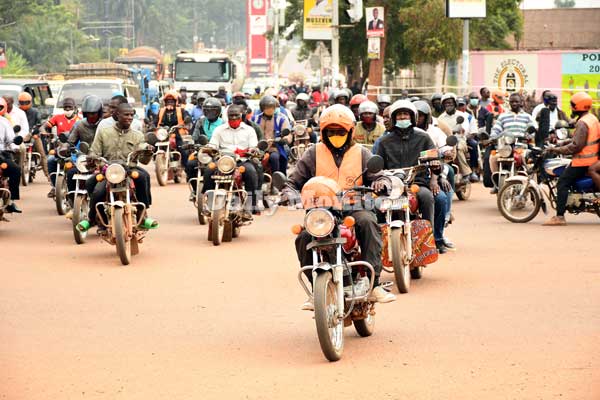
When a boda boda cuts you off, instead of thinking “That idiot almost hit me!” try “I’m glad I was alert and avoided that situation.” This isn’t about excusing dangerous behavior—it’s about protecting your emotional state from circumstances you cannot control. You can’t control other drivers, road conditions, or traffic patterns, but you can control your interpretation and response.
Practice gratitude while driving. Yes, traffic is frustrating, but you have a vehicle—many Ugandans don’t. You have fuel—that’s a privilege during price spikes. You’re healthy enough to drive—not everyone is. This isn’t toxic positivity; it’s perspective adjustment that reduces stress by acknowledging genuine advantages.
Creating a Calming Vehicle Environment
Your vehicle is your personal sanctuary within the chaos. Optimize it for stress reduction. Temperature matters enormously—excessive heat increases irritability, so use air conditioning if available or ensure good ventilation. Keep your vehicle clean and organized; clutter creates subconscious stress.
Curate your audio environment carefully. Music has powerful effects on mood and stress levels. Create playlists specifically for stressful drives—perhaps slow, calming music or songs that make you genuinely happy. Some drivers find instrumental music less distracting during intense traffic, while others prefer upbeat songs that boost mood. Experiment to discover what works for you.
Consider aromatherapy if you’re sensitive to scents. A small essential oil diffuser with lavender or peppermint oil can create a calming atmosphere (though never anything too sedating).
Mindfulness and Present-Moment Awareness
Mindfulness—the practice of present-moment awareness without judgment—is remarkably effective for driving stress. Instead of ruminating about the meeting you’re late for or the errands waiting after work, focus entirely on the present moment. Notice the physical sensations of driving: the steering wheel texture, your foot on the pedal, the vehicle’s movement. Observe your surroundings without judgment: colors, sounds, people going about their lives.
This practice interrupts stress-inducing thought patterns and grounds you in the now, where you can only control your immediate actions. Ironically, this presence often improves driving safety because you’re fully attentive rather than mentally elsewhere.
Physical Activity and Stress Release
Regular exercise outside of driving significantly reduces your baseline stress levels, making you more resilient to driving frustrations. Even a twenty-minute walk before or after your commute helps process stress hormones. If you’ve had a particularly stressful drive, don’t carry that tension into your home or workplace. Take five minutes to walk around, do some stretches, or practice deep breathing before transitioning to your next activity.
Knowing When to Seek Support
If driving stress becomes overwhelming—if you experience panic attacks, if you avoid necessary trips due to anxiety, or if road rage incidents become frequent—consider seeking professional support. Mental health professionals can provide additional techniques and address underlying anxiety that driving triggers but doesn’t cause.
Conclusion
Stress while driving in Uganda is inevitable, but suffering from it isn’t. By implementing these techniques—proper preparation, breathing exercises, muscle relaxation, cognitive re-framing, environmental optimization, mindfulness, and regular physical activity—you can significantly reduce driving stress and its negative impacts on your life. Start with one or two techniques that resonate with you, practice them consistently, and gradually incorporate others. Your commute might never be completely stress-free, but with these tools, it can become manageable, and perhaps occasionally even enjoyable. Remember, the goal isn’t to eliminate all stress—that’s unrealistic—but to prevent it from controlling your experience and well-being as you navigate Uganda’s roads.
Lean how to handle your stress when driving and join Mumwe driving school – the number one driving school in Uganda. You can contact us now by sending an email to info@ugandadrivingschool.com or call +256-700135510 to speak with the reservations team.